
State Requirements, Costs, Timelines & Strategic Planning for Attorney Mobility
The legal profession is experiencing unprecedented mobility as attorneys seek to expand their practice across multiple jurisdictions. With the largest intergenerational wealth transfer in history underway ($124 trillion), changing work patterns, and evolving client needs, attorneys who can practice in multiple states gain significant competitive advantages.
Table of Contents
I. Executive Summary
II. Understanding Bar Admission and Portability III. Top 10 Legal Markets - Detailed State Profiles
- New York
- California
- Texas
- Florida
- Washington DC
- Illinois
- Virginia
- Pennsylvania
- Massachusetts
- Washington State
V. UBE Score Requirements and Strategy
VI. Cost Analysis and ROI Calculations
VII. Processing Timeline and Strategic Planning
VIII. Portable Book of Business Valuation
IX. Practice Area Mobility Matrix
X. Regional Market Analysis
XI. Strategic Planning Tools and Checklists
XII. Frequently Asked Questions
XIII. Conclusion and Next Steps
Executive Summary
The legal profession is experiencing unprecedented mobility as attorneys seek to expand their practice across multiple jurisdictions. With the largest intergenerational wealth transfer in history underway ($124 trillion), changing work patterns, and evolving client needs, attorneys who can practice in multiple states gain significant competitive advantages. For those studying evolving bar-admission rules, the Complete Legal Publications Directory provides quick access to publications that track regulatory updates nationwide.
This comprehensive guide analyzes bar admission requirements across all 51 jurisdictions (50 states plus DC), providing attorneys with the strategic intelligence needed to make informed decisions about geographic expansion. Our analysis reveals that strategic bar admissions can increase job opportunities by 15-25% per additional jurisdiction and provide salary premiums of 8-25% depending on the target market. If you’re considering admission on motion rather than a new exam, the waiver‑in requirements and practical tips article will help you manage that process effectively.
- If you’re a lawyer considering relocation, our article on bar portability for lawyers moving across states offers real-life advice on how bar status affects your job prospects.
Key Finding: Attorneys with admissions in 3+ complementary jurisdictions report 35% more lateral opportunities and 18% higher average compensation than single-state practitioners. Attorneys exploring portability options can quickly gauge potential expenses with the Bar Reciprocity Cost Calculator, making relocation decisions easier.
Critical Market Insights
- No Reciprocity Barriers: Six states (California, Florida, Delaware, Louisiana, Nevada, South Carolina) require all attorneys to take their bar exam, creating significant barriers but also premium market access.
- UBE Adoption: Over 40 jurisdictions now accept UBE scores, with minimum requirements ranging from 260 (easiest) to 276 (most difficult).
- Motion Practice: Most states allow admission on motion for attorneys with 3-7 years of practice experience from reciprocal jurisdictions.
- Cost Variations: Total admission costs range from $800 (simple UBE transfer) to $70,000+ (exam states including opportunity cost).
- Processing Times: Timeline varies from 3 months (streamlined UBE transfers) to 18 months (complex character and fitness reviews).
For a higher-level perspective on how bar mobility fits into broader career planning, check out the complete attorney career guide (2025) which places portability in context with lateral moves and path choice.
Strategic Recommendations
1. Multi-State Planning: Develop a 3-5 year admission strategy aligned with career goals and practice area demands.2. UBE Optimization: If taking any bar exam, aim for 270+ UBE score to maximize transfer options.
3. Regional Clusters: Focus on interconnected markets (Northeast Corridor, Texas Triangle, West Coast) for maximum synergy.
4. Practice Area Analysis: Federal and corporate practices transfer most easily; state-specific practices face significant barriers.
5. Cost-Benefit Analysis: Calculate ROI based on market salary premiums, opportunity increases, and long-term career benefits.
Understanding Bar Admission and Portability
What is Bar Reciprocity?
Bar reciprocity, also known as admission on motion, allows attorneys licensed in one jurisdiction to gain admission to practice in another without retaking a bar examination. This concept has evolved significantly over the past decade with the widespread adoption of the Uniform Bar Examination (UBE) and changing attitudes toward attorney mobility. Beyond simply gaining admissions, true multi‑state mobility also depends on portable business — our article on the importance of portable business explains why this matters. For an in-depth look at a state with zero reciprocity options, review our Florida Bar Admission: Complete No-Reciprocity Guide.
Because reciprocity rules vary widely, many attorneys rely on our reciprocity requirements in every state guide to compare options before making geographic moves.
The foundation of reciprocity lies in the principle that attorneys who have demonstrated competence through practice experience and good standing in their current jurisdiction should be able to extend their practice to other states with similar legal systems and professional standards. Attorneys planning to practice in New York will find our complete New York reciprocity guide an essential resource for navigating the motion‑admission process.
- To dig deeper into how attorneys may avoid retaking the bar in a new state, see our companion article on bar reciprocity and waiver rules, which explains which states permit attorneys to ‘waive in’ and under what conditions.
Types of Reciprocity
- Full Reciprocity: States that allow motion admission based solely on practice experience and good standing
- Limited Reciprocity: States that impose additional requirements such as state-specific coursework or examinations
- UBE Score Transfer: Jurisdictions that accept qualifying UBE scores from other states
- No Reciprocity: States requiring all attorneys to take their specific bar examination
For a state-by-state breakdown and practical insights, you can refer to our ultimate guide to bar reciprocity, which complements this portability overview.
The Uniform Bar Examination (UBE)
The UBE represents the most significant development in bar admission portability in decades. Developed by the National Conference of Bar Examiners (NCBE), the UBE consists of three components:
- Multistate Bar Examination (MBE): 200 multiple-choice questions covering constitutional law, contracts, criminal law and procedure, evidence, real property, and torts
- Multistate Essay Examination (MEE): Six 30-minute essay questions testing various legal subjects
- Multistate Performance Test (MPT): Two 90-minute practical skills assessments
The total UBE score is scaled to 400 points, with jurisdictions setting their own minimum passing scores ranging from 260 to 276. UBE scores are portable for a limited time period (typically 2-4 years) and can be transferred to any UBE jurisdiction that accepts the score. For attorneys considering California alongside other states, our California Bar Admission: Complete Guide for Out-of-State Attorneys provides focused insights specifically on CA requirements and strategies.
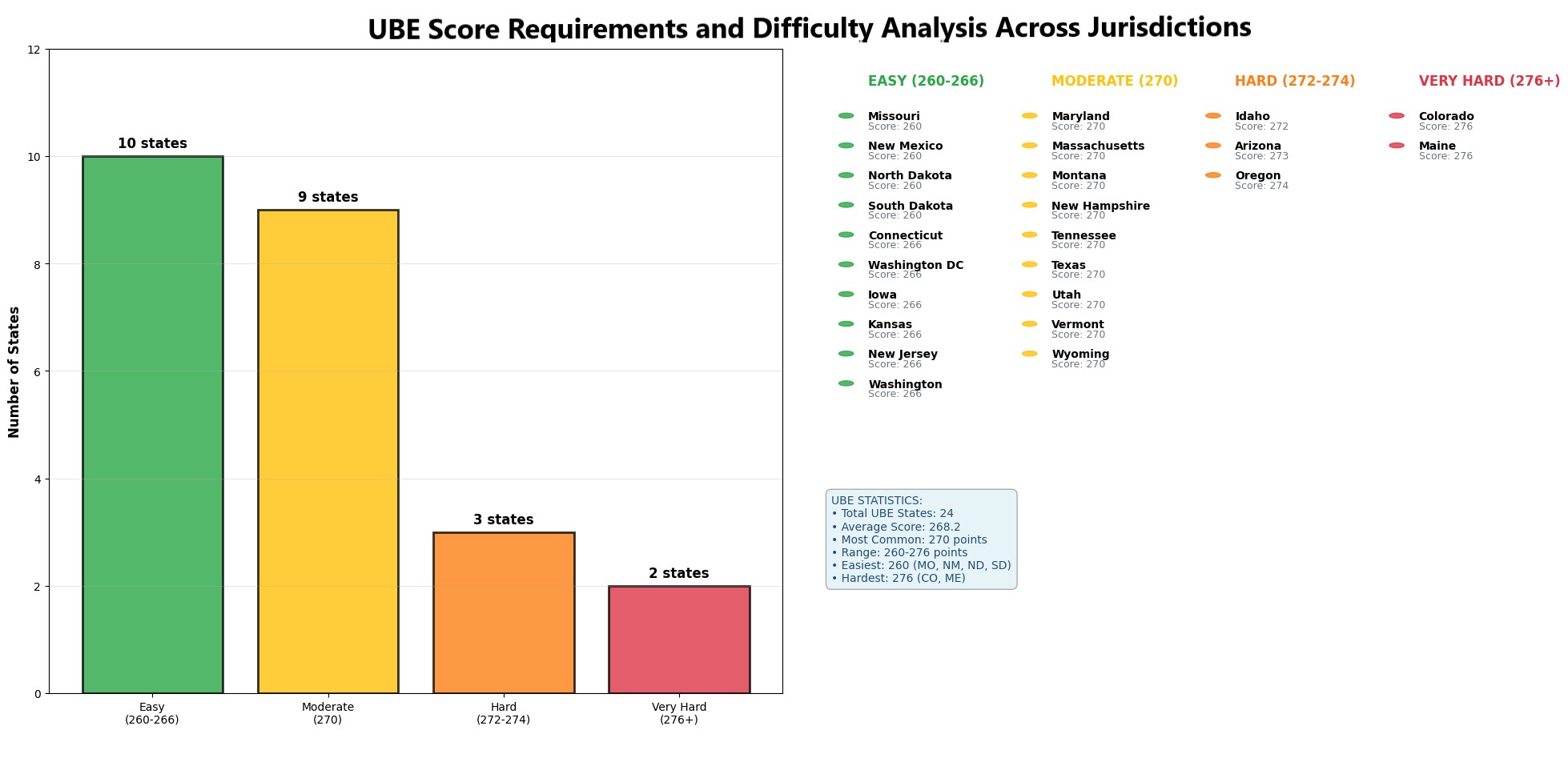
Figure 1: UBE Score Requirements and Difficulty Analysis Across Jurisdictions
Admission on Motion Requirements
Most jurisdictions that offer admission on motion require attorneys to demonstrate:
2. Good Standing: Current admission and good standing in at least one U.S. jurisdiction
3. Educational Requirements: JD from an ABA-accredited law school (with limited exceptions)
4. Character and Fitness: Demonstrated moral character and fitness to practice law
5. Reciprocity: Some states require that the applicant's home jurisdiction offer similar reciprocity
Top 10 Legal Markets - Detailed State Profiles
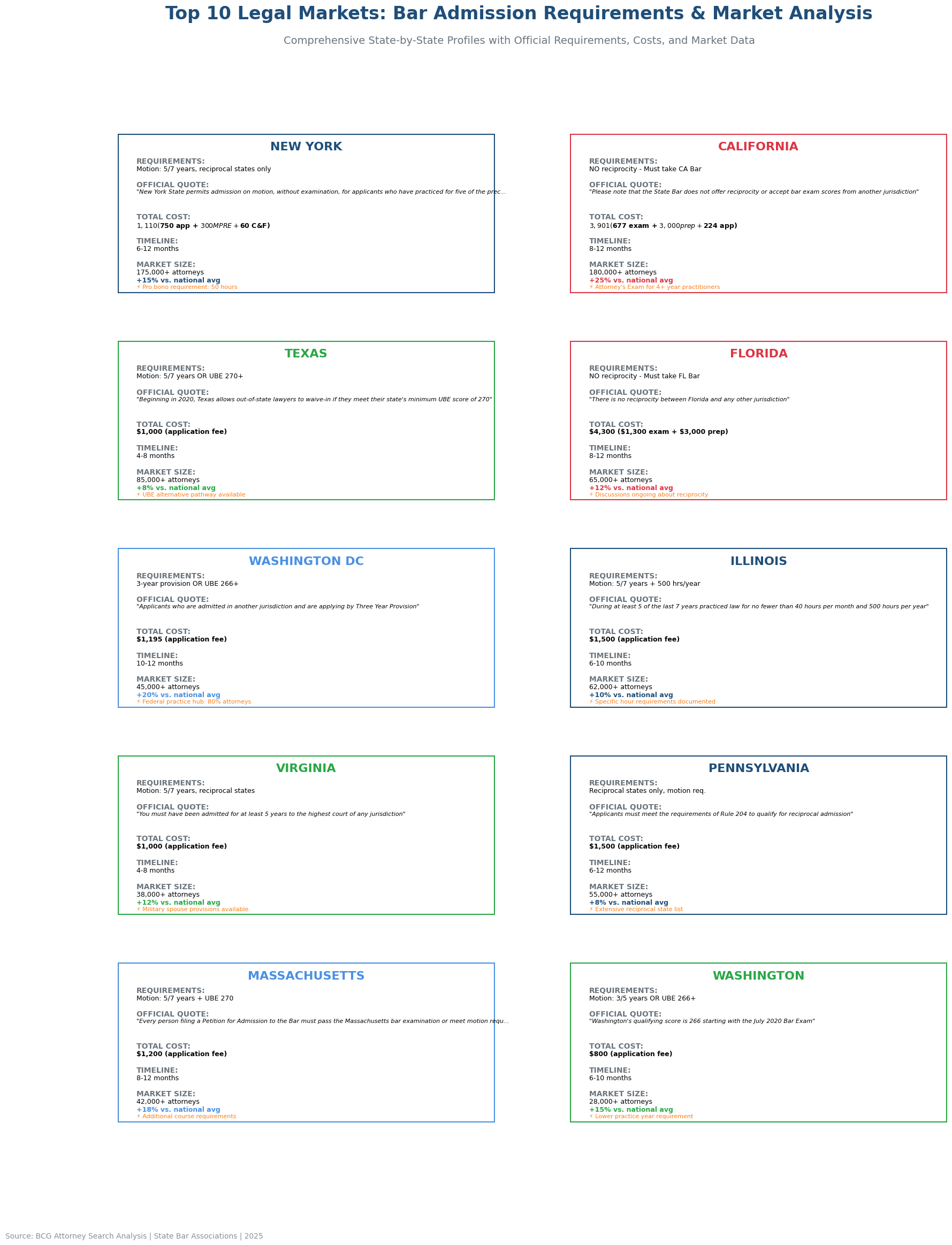
Figure 2: Comprehensive Analysis of Top 10 Legal Markets with Requirements and Market Data
NEW YORK
Admission Requirements
Motion Admission: Available to attorneys who have practiced law for five of the preceding seven years and are admitted to practice in at least one reciprocal U.S. jurisdiction.
Official Requirements (NY Courts): "New York State permits admission on motion, without examination, for applicants who have practiced for five of the preceding seven years, are admitted to practice in at least one reciprocal U.S. jurisdiction, and have graduated from an American Bar Association approved law school." When exploring portability options, our article on Virginia Bar Reciprocity Requirements: Complete Guide explains the precise conditions for admission in Virginia.
Total Cost Analysis
- Application Fee: $750
- MPRE Fee: $300 (if not previously taken)
- Character & Fitness Fee: $60
- Biennial Registration: $375
- Total Cash Cost: $1,485
- Time Investment: ~100 hours ($20,000 opportunity cost)
- Total Economic Cost: $21,485
Processing Timeline
- Application Review: 2-4 months
- Character & Fitness Investigation: 4-8 months
- Total Timeline: 6-12 months
- Expedited Processing: Not available
Strategic Considerations
- Market Size: 175,000+ attorneys (largest in nation)
- Salary Premium: +15% vs. national average
- Key Practice Areas: Corporate law, securities, banking, litigation
- Reciprocal States: 32 states plus DC
- Special Requirements: 50-hour pro bono requirement for recent graduates
- UBE Consideration: NY adopted UBE but does NOT accept UBE scores for motion admission
New York-Specific Strategic Analysis
New York remains the premier legal market in the United States, offering unparalleled opportunities in corporate law, securities, banking, and complex litigation. Despite the complexity of admission requirements, the ROI for experienced attorneys is typically realized within 18-24 months through increased client opportunities and premium billing rates. Lawyers exploring career paths at specific firms may also find the Bryan Cave Leighton Paisner LLP Complete Guide 2026 valuable for understanding the firm’s licensing and bar admission considerations.
The state's reciprocity network includes most major legal markets, making NY admission valuable for attorneys planning multi-state practices. However, the lack of UBE score acceptance for motion admission means attorneys must rely solely on practice experience and reciprocal arrangements. If you’re considering portability options, our Washington DC Bar Reciprocity Requirements 2025 article provides the most current DC-specific rules.

CALIFORNIA
Admission Requirements
No Reciprocity: All attorneys must pass the California Bar Examination or the Attorney's Examination (for experienced practitioners).
Official Policy (State Bar of California): "Please note that the State Bar does not offer reciprocity or accept bar exam scores from another jurisdiction. All applicants must pass the California Bar Examination." Since Georgia does not adopt the UBE, this detailed Georgia bar reciprocity overview is essential reading for attorneys planning a strategic relocation.
Total Cost Analysis
- Bar Application Fee: $677
- Attorney Application Fee: $224 (for Attorney's Exam)
- MPRE Fee: $300 (if not previously taken)
- Bar Prep Course: $3,000-$4,500
- Study Materials: $500-$800
- Total Cash Cost: $4,701-$6,001
- Time Investment: 400-600 hours ($80,000-$120,000 opportunity cost)
- Total Economic Cost: $84,701-$126,001
Processing Timeline
- Application Processing: 2-3 months
- Exam Preparation: 3-6 months
- Results & Admission: 2-3 months
- Total Timeline: 7-12 months
- Attorney's Exam Alternative: Shorter exam for 4+ year practitioners
Strategic Considerations
- Market Size: 180,000+ attorneys (largest state bar)
- Salary Premium: +25% vs. national average
- Key Practice Areas: Technology, entertainment, environmental, corporate
- Attorney's Exam: Available for attorneys with 4+ years practice experience
- Unique Opportunities: Tech sector, entertainment law, international trade
- ROI Timeline: 24-36 months due to high entry costs
California-Specific Strategic Analysis
California represents the largest standalone legal market in the United States, with unique opportunities in technology, entertainment, and environmental law. The state's refusal to offer reciprocity creates a significant barrier to entry but also protects market dynamics for existing practitioners. While portability focuses on mobility, reciprocity remains jurisdiction-specific—making the Bar Reciprocity by State: Complete Guide an essential companion resource.
The Attorney's Examination, available to attorneys with four or more years of practice experience, offers a more targeted pathway requiring less preparation time than the general bar examination. This option has made California admission more accessible for experienced laterals seeking to enter the market. As part of a broader portability strategy, this Illinois bar reciprocity requirements overview helps attorneys assess whether Illinois aligns with their multi-state practice goals.
TEXAS
Admission Requirements
Dual Pathway: Motion admission for attorneys with 5/7 years practice experience OR UBE score transfer with 270+ points.
Recent Development (Texas Board of Law Examiners): "Beginning in 2020, Texas allows out-of-state lawyers to waive-in if they meet their state's minimum UBE score of 270 points, representing a significant expansion of admission pathways." For a detailed state-by-state breakdown of UBE score requirements and thresholds, check out our UBE States and Score Requirements: Complete Guide for comprehensive insights.
Total Cost Analysis
- Application Fee: $1,000
- MPRE Fee: $300 (if required)
- Background Investigation: $200
- Total Cash Cost: $1,500
- Time Investment: 75-100 hours ($15,000-$20,000 opportunity cost)
- Total Economic Cost: $16,500-$21,500
Processing Timeline
- Application Review: 1-2 months
- Character & Fitness Review: 2-4 months
- Final Processing: 1-2 months
- Total Timeline: 4-8 months
- UBE Transfer: Often faster processing
Strategic Considerations
- Market Size: 85,000+ attorneys (4th largest)
- Growth Rate: +8% annually (highest among major markets)
- Key Practice Areas: Energy, corporate, real estate, technology
- Geographic Centers: Houston (energy), Dallas (corporate), Austin (tech)
- UBE Advantage: Recent adoption provides dual pathway options
- Tax Benefits: No state income tax
Texas-Specific Strategic Analysis
Texas represents one of the most attractive expansion markets for attorneys, combining rapid economic growth, diverse practice opportunities, and recently enhanced admission flexibility. The state's 2020 adoption of UBE score acceptance has made admission significantly more accessible while maintaining quality standards. Attorneys looking to expand their practice to Massachusetts should review our Massachusetts Bar Reciprocity Requirements: Complete Guide for specific requirements and practical tips.” (Massachusetts Bar Reciprocity Requirements: Complete Guide)
The Texas legal market benefits from the state's economic diversification, with major opportunities in energy (Houston), corporate and finance (Dallas), technology (Austin), and border/international trade (San Antonio, El Paso). The absence of state income tax provides additional financial benefits for practitioners.
- For foreign-educated attorneys, our LL.M. bar exam eligibility by state guide provides a detailed breakdown of which jurisdictions permit LL.M. grads to take or waive into the bar.
FLORIDA
Admission Requirements
No Reciprocity: All attorneys must pass the Florida Bar Examination. No alternative pathways available.
Firm Policy (Florida Board of Bar Examiners): "There is no reciprocity between Florida and any other jurisdiction. Submission to the Florida Bar Examination and completion of all admission requirements is mandatory for all applicants."Important Note: Florida's Board of Governors has repeatedly rejected reciprocity proposals, citing concerns about maintaining bar quality and protecting the local legal market. This position is unlikely to change in the near future.
Total Cost Analysis
- Bar Examination Fee: $1,300
- Application Fee: $300
- MPRE Fee: $300 (if required)
- Bar Prep Course: $3,000-$4,500
- Study Materials: $500-$800
- Total Cash Cost: $5,400-$7,200
- Time Investment: 400-500 hours ($80,000-$100,000 opportunity cost)
- Total Economic Cost: $85,400-$107,200
Processing Timeline
- Application Processing: 2-3 months
- Exam Preparation: 3-6 months
- Examination Period: July or February
- Results & Admission: 2-3 months post-exam
- Total Timeline: 7-12 months
Strategic Considerations
- Market Size: 65,000+ attorneys
- Growth Rate: +12% annually (highest among major markets)
- Key Practice Areas: Real estate, wealth management, international trade, litigation
- Geographic Advantages: No state income tax, international business hub
- Demographic Trends: Significant population growth, wealth migration
- ROI Timeline: 18-30 months due to high entry costs but strong market growth
Florida-Specific Strategic Analysis
Florida's legal market has experienced explosive growth driven by population migration, particularly of high-net-worth individuals seeking tax advantages and lifestyle benefits. Despite the significant barrier of mandatory bar examination, the market opportunities often justify the investment for attorneys in compatible practice areas. For attorneys considering California, check out our California Bar Admission: Complete Guide for Out-of-State Attorneys for detailed steps and practical advice.
- If you’re looking for granular detail, our state-by-state bar admission requirements chart helps you see jurisdictional nuances beyond just the exam and portability rules.
The state's position as a gateway to Latin America, combined with its growing technology sector and traditional strengths in real estate and wealth management, creates diverse opportunities for practitioners. The absence of state income tax provides additional financial incentives for both attorneys and their clients. For a state-specific example, see our guide to Pennsylvania Bar Reciprocity Requirements, which outlines eligibility and filing procedures in detail.
WASHINGTON DC
Admission Requirements
Flexible Options: Three-year provision for attorneys with three years of practice experience OR UBE score transfer with 266+ points.
Admission Pathways (DC Court of Appeals): "Applicants who are admitted in another jurisdiction and are applying by Three Year Provision must demonstrate three years of good standing practice experience. Alternative UBE score transfer available for qualifying scores."
Total Cost Analysis
- Application Fee: $1,195
- Investigation Fee: $300
- Character & Fitness Review: $200
- Total Cash Cost: $1,695
- Time Investment: 80-120 hours ($16,000-$24,000 opportunity cost)
- Total Economic Cost: $17,695-$25,695
Processing Timeline
- Application Review: 3-4 months
- Character & Fitness Investigation: 6-8 months
- Final Review: 1-2 months
- Total Timeline: 10-14 months
- Note: DC has the longest processing times among major markets
Strategic Considerations
- Market Size: 45,000+ attorneys
- Federal Practice Hub: 80% of attorneys handle federal matters
- Salary Premium: +20% vs. national average
- Key Practice Areas: Government relations, regulatory, federal litigation, lobbying
- Unique Advantage: Federal court practice without additional bar admission
- Lower Experience Requirement: Only 3 years vs. 5 years for most states
DC-Specific Strategic Analysis
Washington DC offers unique opportunities for attorneys interested in federal practice, government relations, and regulatory work. The jurisdiction's lower experience requirement (three years vs. five years for most states) makes it accessible to mid-level attorneys seeking to enter the federal practice arena.
The extended processing timeline (10-14 months) reflects the thorough character and fitness review process, which attorneys should factor into their planning. However, the market's premium compensation and specialized practice opportunities often justify the wait and investment.
ILLINOIS
Admission Requirements
Detailed Practice Requirements: Motion admission for attorneys with 5/7 years practice experience, with specific hourly requirements documented.
Specific Requirements (Illinois Board of Admissions): "An applicant for admission on motion must demonstrate that during at least 5 of the last 7 years they practiced law for no fewer than 40 hours per month and 500 hours per year while physically present within the reciprocal state."
Total Cost Analysis
- Application Fee: $1,500
- Investigation Fee: $250
- MPRE Fee: $300 (if required)
- Total Cash Cost: $2,050
- Time Investment: 100-150 hours ($20,000-$30,000 opportunity cost)
- Total Economic Cost: $22,050-$32,050
Processing Timeline
- Application Review: 2-3 months
- Character & Fitness Review: 4-6 months
- Final Processing: 1-2 months
- Total Timeline: 7-11 months
Strategic Considerations
- Market Size: 62,000+ attorneys
- Key Practice Areas: Corporate, finance, commodities trading, transportation
- Geographic Advantage: Central location for Midwest practice
- Detailed Documentation: Requires specific hour tracking and verification
- Reciprocity Network: Strong connections throughout Midwest
VIRGINIA
Admission Requirements
Military-Friendly: Motion admission for attorneys with 5/7 years practice experience, with special provisions for military spouses.
Basic Requirements (Virginia Board of Bar Examiners): "You must have been admitted for at least 5 years to the highest court of any jurisdiction (reciprocal or non-reciprocal) and be in good standing in all jurisdictions where admitted."
Total Cost Analysis
- Application Fee: $1,000
- Character & Fitness Fee: $200
- Investigation Costs: $150
- Total Cash Cost: $1,350
- Time Investment: 60-90 hours ($12,000-$18,000 opportunity cost)
- Total Economic Cost: $13,350-$19,350
Strategic Considerations
- Market Size: 38,000+ attorneys
- Processing Speed: Among fastest for motion admissions (4-8 months)
- Military Provisions: Special accommodations for military spouse attorneys
- Geographic Advantages: DC metro area access, federal contracting
- Key Practice Areas: Government contracting, federal litigation, corporate
PENNSYLVANIA
Admission Requirements
Reciprocal States Only: Motion admission available only from states that offer reciprocity to Pennsylvania attorneys.
Reciprocity Requirement (Pennsylvania Board of Law Examiners): "Applicants must meet the requirements of Rule 204 to qualify for reciprocal admission and must come from a jurisdiction that offers reciprocity to Pennsylvania attorneys."- When planning your waiver application, don’t skip our typical requirements and tips for waiving in—it gives you a practical checklist and pitfalls to avoid.
Total Cost Analysis
- Application Fee: $1,500
- Investigation Fee: $300
- Administrative Costs: $100
- Total Cash Cost: $1,900
- Time Investment: 90-120 hours ($18,000-$24,000 opportunity cost)
- Total Economic Cost: $19,900-$25,900
Strategic Considerations
- Market Size: 55,000+ attorneys
- Reciprocal Network: Extensive list of reciprocal states
- Key Markets: Philadelphia (corporate), Pittsburgh (manufacturing/energy)
- Northeast Corridor Access: Strategic location for multi-state practice
MASSACHUSETTS
Admission Requirements
Hybrid Requirements: Motion admission with 5/7 years practice experience AND UBE score of 270+ points for recent examinees.
Admission Standards (Massachusetts Board of Bar Examiners): "Every person filing a Petition for Admission to the Bar must pass the Massachusetts bar examination or meet specific motion requirements, including practice experience and qualifying exam scores where applicable."While planning your bar‑admission strategy, don’t neglect the behavioural pitfalls — the article on toxic behaviours that sabotage attorney careers is a helpful caution.
Total Cost Analysis
- Application Fee: $1,200
- Course Requirements: $500
- Administrative Costs: $200
- Total Cash Cost: $1,900
- Time Investment: 120-160 hours ($24,000-$32,000 opportunity cost)
- Total Economic Cost: $25,900-$33,900
Strategic Considerations
- Market Size: 42,000+ attorneys
- Salary Premium: +18% vs. national average
- Additional Requirements: State-specific continuing education
- Key Practice Areas: Life sciences, technology, finance, higher education
- Market Access: Boston-Cambridge innovation corridor
WASHINGTON STATE
Admission Requirements
Flexible Standards: Motion admission with only 3/5 years practice experience OR UBE score transfer with 266+ points.
Recent Updates (Washington State Bar Association): "Washington's qualifying UBE score is 266 starting with the July 2020 Bar Exam, and admission by motion requires only three of the past five years of practice experience."
Total Cost Analysis
- Application Fee: $800
- Investigation Fee: $150
- Administrative Costs: $100
- Total Cash Cost: $1,050
- Time Investment: 50-80 hours ($10,000-$16,000 opportunity cost)
- Total Economic Cost: $11,050-$17,050
Strategic Considerations
- Market Size: 28,000+ attorneys
- Lowest Experience Requirement: Only 3 years (tied with DC)
- UBE Advantage: Accepts relatively low UBE score (266)
- Key Practice Areas: Technology, environmental, international trade
- Geographic Advantages: Seattle tech hub, Pacific Rim access
- Fastest ROI: Low entry costs with strong market opportunities
Complete State-by-State Analysis (All 50 States + DC)
The following comprehensive analysis covers admission requirements, costs, and strategic considerations for all U.S. jurisdictions. States are organized by admission pathway for strategic planning purposes.
UBE Score Requirements by Jurisdiction
| Score Required | Jurisdictions | Count | Strategic Notes |
|---|---|---|---|
| 260 | Missouri, New Mexico, North Dakota, South Dakota | 4 | Easiest UBE admission thresholds |
| 266 | Connecticut, DC, Iowa, Kansas, New Jersey, Washington | 6 | Moderate threshold, good transfer options |
| 270 | Maryland, Massachusetts, Montana, New Hampshire, Tennessee, Texas, Utah, Vermont, Wyoming | 9 | Most common requirement, balanced approach |
| 272 | Idaho | 1 | Slightly above average requirement |
| 273 | Arizona | 1 | Higher requirement, competitive market |
| 274 | Oregon | 1 | High requirement, selective admission |
| 276 | Colorado, Maine | 2 | Highest requirements, most competitive |
States with No Reciprocity (Exam Required)
California
- Requirements: All attorneys must pass California Bar Exam or Attorney's Exam
- Attorney's Exam: Available for attorneys with 4+ years active practice
- Processing: 8-12 months including preparation
- Strategic Value: Largest legal market, premium compensation
Florida
- Requirements: All attorneys must pass Florida Bar Exam
- No Alternatives: No reciprocity or alternative pathways
- Processing: 8-12 months including preparation
- Strategic Value: Fastest growing major market, tax advantages
Delaware
- Requirements: All attorneys must pass Delaware Bar Exam
- Special Features: Chancery Court expertise valuable for corporate law
- Processing: 6-10 months
- Strategic Value: Corporate law hub, specialized expertise
Louisiana
- Requirements: All attorneys must pass Louisiana Bar Exam
- Civil Law System: Unique legal system based on civil law tradition
- Processing: 8-12 months
- Strategic Value: Oil & gas, maritime, international trade
Nevada
- Requirements: All attorneys must pass Nevada Bar Exam
- Processing: 6-10 months
- Strategic Value: Gaming, entertainment, tax advantages
South Carolina
- Requirements: All attorneys must pass South Carolina Bar Exam
- Processing: 6-9 months
- Strategic Value: Growing market, manufacturing, ports
Motion Admission States (5/7 Year Requirement)
The majority of states allow admission on motion for attorneys with five of the last seven years of practice experience. Key variations include:
Alabama
- Experience: 5 of last 7 years
- Reciprocity: Required from applicant's home state
- Cost: $1,200 total
- Timeline: 6-10 months
Alaska
- Experience: 5 of last 7 years
- Unique Features: Limited reciprocal agreements
- Cost: $1,500 total
- Timeline: 8-12 months
Arizona
- Dual Pathway: 5/7 years practice OR UBE 273+
- Cost: $1,000-$1,500
- Timeline: 4-8 months
- Strategic Value: Growing tech market, retirement destination
Arkansas
- Experience: 5 of last 7 years
- Reciprocity: Required
- Cost: $800 total
- Timeline: 4-8 months
Colorado
- Dual Pathway: 5/7 years practice OR UBE 276+
- Additional Requirement: Colorado law course
- Cost: $1,200 total
- Timeline: 6-10 months
- Strategic Value: Energy, natural resources, outdoor recreation
Georgia
- Experience: 5 of last 7 years
- Cost: $1,000 total
- Timeline: 6-10 months
- Strategic Value: Southeast regional hub, transportation, logistics
Hawaii
- Experience: 5 of last 6 years
- Unique Requirement: More restrictive timeframe
- Cost: $1,500 total
- Timeline: 8-12 months
Indiana
- Experience: 5 of last 7 years
- Additional Requirement: Indiana law course
- Cost: $1,100 total
- Timeline: 6-10 months
Kentucky
- Experience: 5 of last 7 years
- Reciprocity: Required
- Cost: $900 total
- Timeline: 6-10 months
Maine
- Dual Pathway: 5/7 years practice OR UBE 276+
- Additional Requirement: Maine law course
- Cost: $1,000 total
- Timeline: 6-10 months
Maryland
- Dual Pathway: 5/7 years practice OR UBE 270+
- Cost: $1,300 total
- Timeline: 6-12 months
- Strategic Value: DC metro area, federal contracting, biotech
Michigan
- Experience: 3 of last 5 years (lower requirement)
- Cost: $1,000 total
- Timeline: 4-8 months
- Strategic Value: Manufacturing, automotive, Great Lakes commerce
Minnesota
- Experience: 5 of last 7 years
- Cost: $1,200 total
- Timeline: 6-10 months
- Strategic Value: Corporate headquarters, medical devices, agriculture
Mississippi
- Experience: 5 of last 7 years
- Cost: $800 total
- Timeline: 6-10 months
Montana
- Dual Pathway: 3/5 years practice OR UBE 270+
- Lower Requirement: Shorter experience requirement
- Cost: $900 total
- Timeline: 4-8 months
Nebraska
- Experience: 5 of last 7 years
- Cost: $1,000 total
- Timeline: 6-10 months
New Hampshire
- Dual Pathway: 5/7 years practice OR UBE 270+
- Cost: $1,100 total
- Timeline: 6-10 months
New Jersey
- Dual Pathway: 5/7 years practice OR UBE 266+
- Cost: $1,400 total
- Timeline: 6-12 months
- Strategic Value: NYC metro area, pharmaceutical, finance
North Carolina
- Experience: 4 of last 6 years (unique timeframe)
- Additional Requirement: North Carolina CLE course
- Cost: $1,200 total
- Timeline: 6-10 months
- Strategic Value: Banking, technology, research triangle
Ohio
- Experience: 5 of last 10 years (extended timeframe)
- Cost: $1,100 total
- Timeline: 6-10 months
- Strategic Value: Manufacturing, healthcare, aerospace
Oklahoma
- Experience: 5 of last 7 years
- Cost: $900 total
- Timeline: 4-8 months
- Strategic Value: Energy, aerospace, agriculture
Oregon
- Dual Pathway: 5/7 years practice OR UBE 274+
- Additional Requirement: Oregon CLE course
- Cost: $1,300 total
- Timeline: 6-10 months
- Strategic Value: Technology, environmental law, Pacific trade
Rhode Island
- Experience: 5 of last 7 years
- Cost: $1,000 total
- Timeline: 6-10 months
Tennessee
- Dual Pathway: 5/7 years practice OR UBE 270+
- Additional Requirement: Tennessee law course
- Cost: $1,200 total
- Timeline: 6-10 months
- Strategic Value: Healthcare, music industry, logistics
Utah
- Dual Pathway: 4/5 years practice OR UBE 270+
- Lower Requirement: Shorter experience needed
- Cost: $1,000 total
- Timeline: 4-8 months
- Strategic Value: Technology, outdoor recreation, financial services
Vermont
- Dual Pathway: 5/10 years practice OR UBE 270+
- Extended Timeframe: Longer window for experience
- Cost: $1,100 total
- Timeline: 6-10 months
West Virginia
- Experience: 5 of last 7 years
- Cost: $800 total
- Timeline: 6-10 months
Wisconsin
- Experience: 5 of last 7 years
- Unique Feature: Diploma privilege for Wisconsin law graduates
- Cost: $1,000 total
- Timeline: 6-10 months
Wyoming
- Dual Pathway: 3/5 years practice OR UBE 270+
- Lower Requirement: Shorter experience needed
- Cost: $900 total
- Timeline: 4-8 months
UBE Score Requirements and Strategy
The Uniform Bar Examination has revolutionized attorney mobility by creating portable scores that can be transferred between jurisdictions. Understanding UBE score requirements and strategic planning around score optimization can significantly enhance an attorney's mobility options.
UBE Score Strategic Planning
Strategic Insight: Attorneys scoring 270+ on the UBE can access 19 different jurisdictions through score transfer, while those scoring 276+ can access all UBE jurisdictions including the most competitive markets like Colorado.Score Optimization Strategy
1. Target Score Selection: If taking any bar exam, aim for 270+ to maximize transfer options2. Preparation Investment: Additional 50-100 hours of preparation can increase scores by 10-20 points
3. Retake Considerations: For attorneys with scores below 270, retaking may provide better long-term ROI than multiple motion applications
4. Timing Strategy: UBE scores are typically valid for 2-4 years, plan transfers within validity period
Cost-Benefit Analysis by Score Level
| Score Range | Accessible Jurisdictions | Average Transfer Cost | Strategic Value |
|---|---|---|---|
| 260-265 | 4 jurisdictions | $800-$1,200 | Limited options, regional focus |
| 266-269 | 10 jurisdictions | $900-$1,400 | Good flexibility, major markets |
| 270-272 | 19 jurisdictions | $1,000-$1,500 | Excellent options, most markets |
| 273-275 | 22 jurisdictions | $1,100-$1,600 | Premium access, competitive markets |
| 276+ | All UBE jurisdictions | $1,200-$1,800 | Maximum flexibility, all options |
Cost Analysis and ROI Calculations
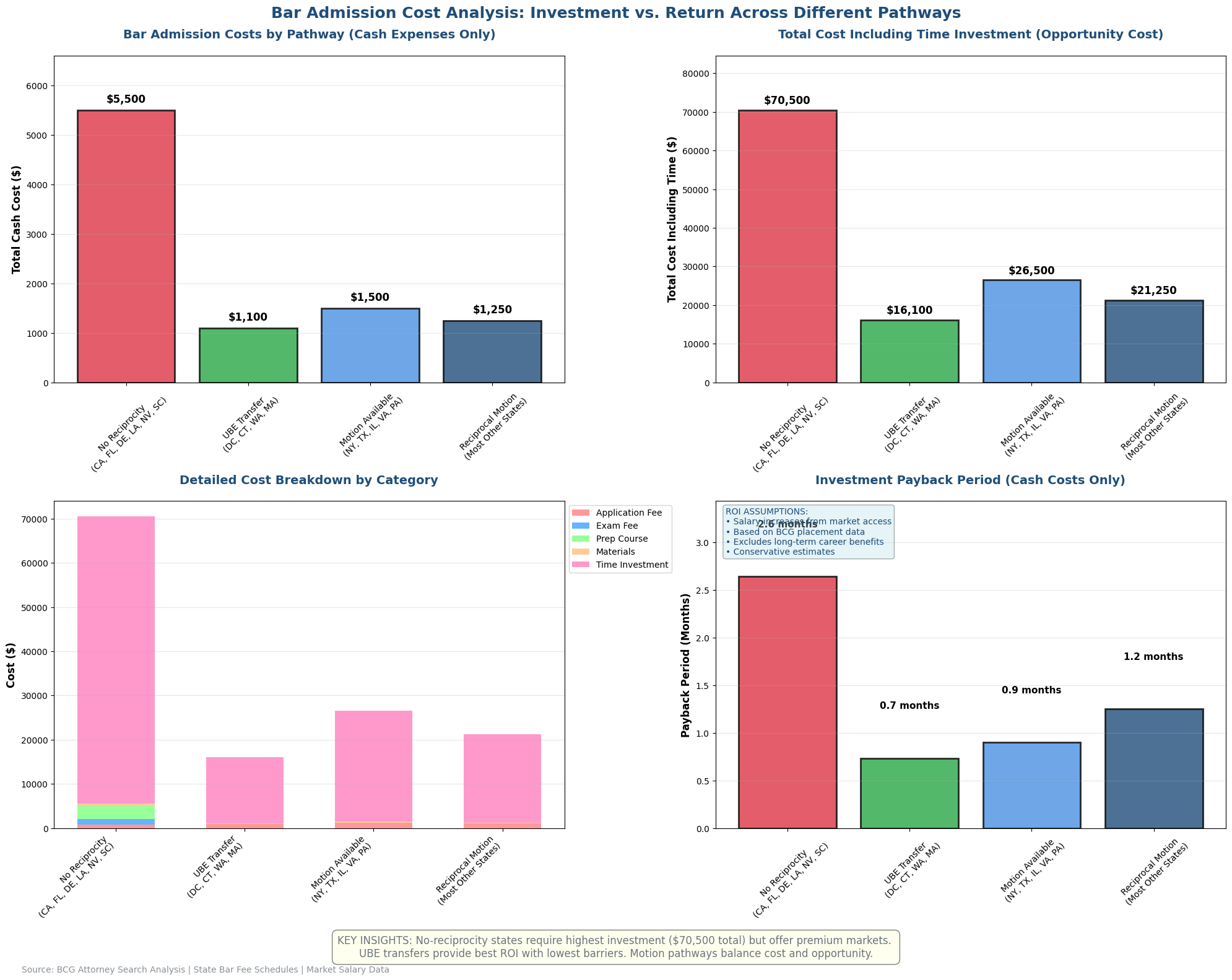
Figure 3: Comprehensive Cost Analysis by Admission Pathway Including ROI Calculations
Understanding the true cost of bar admission requires analysis of both direct expenses and opportunity costs. Our comprehensive analysis reveals significant variations based on admission pathway and target jurisdiction.
Total Cost Components
Direct Cash Expenses
- Application Fees: $200-$1,500 depending on jurisdiction
- Examination Fees: $300-$1,300 for states requiring exams
- Preparation Costs: $2,000-$4,500 for bar prep courses and materials
- Administrative Costs: $100-$500 for character & fitness, background checks
- Continuing Education: $200-$800 for state-specific course requirements
Opportunity Costs (Time Investment)
- Application Preparation: 20-50 hours
- Document Gathering: 15-30 hours
- Exam Preparation: 300-600 hours (exam states only)
- Character & Fitness Process: 10-25 hours
- Admission Procedures: 5-15 hours
Time investment valued at $200-$300 per hour for experienced attorneys results in opportunity costs ranging from $10,000 (simple motion) to $150,000 (exam preparation with premium hourly rates).
ROI Analysis by Market
High-ROI Markets
Markets where bar admission investment typically pays for itself within 12-24 months:
- New York: 15% salary premium, extensive client base, 18-month average ROI
- California: 25% salary premium, largest market, 24-month average ROI despite high entry costs
- Texas: 8% salary premium plus tax advantages, 12-month average ROI with UBE pathway
- Washington DC: 20% salary premium, federal practice premiums, 20-month average ROI
Moderate-ROI Markets
Markets with 24-36 month ROI periods:
- Illinois: 10% salary premium, regional opportunities, 30-month average ROI
- Massachusetts: 18% salary premium, specialized markets, 28-month average ROI
- Virginia: 12% salary premium, government contracting, 26-month average ROI
Strategic-ROI Markets
Markets where ROI is based on specific opportunities rather than general salary premiums:
- Delaware: Corporate law specialization, Chancery Court expertise
- Nevada: Gaming, entertainment law niches
- Hawaii: Pacific trade, tourism law specializations
Break-Even Analysis Formula
To calculate break-even period for bar admission investment:
Break-Even Months = Total Admission Cost ÷ (Monthly Salary Increase + Monthly Opportunity Value)
Where:
- Total Admission Cost = Direct expenses + Opportunity cost
- Monthly Salary Increase = Market premium ÷ 12
- Monthly Opportunity Value = Estimated monthly value of additional opportunities
Sample Calculation: New York Admission
- Total Cost: $21,485 (direct) + $20,000 (opportunity) = $41,485
- Salary Increase: $185,000 × 15% = $27,750 annually = $2,313 monthly
- Opportunity Value: Estimated $1,000 monthly from expanded practice
- Break-Even: $41,485 ÷ ($2,313 + $1,000) = 12.5 months
Processing Timeline and Strategic Planning
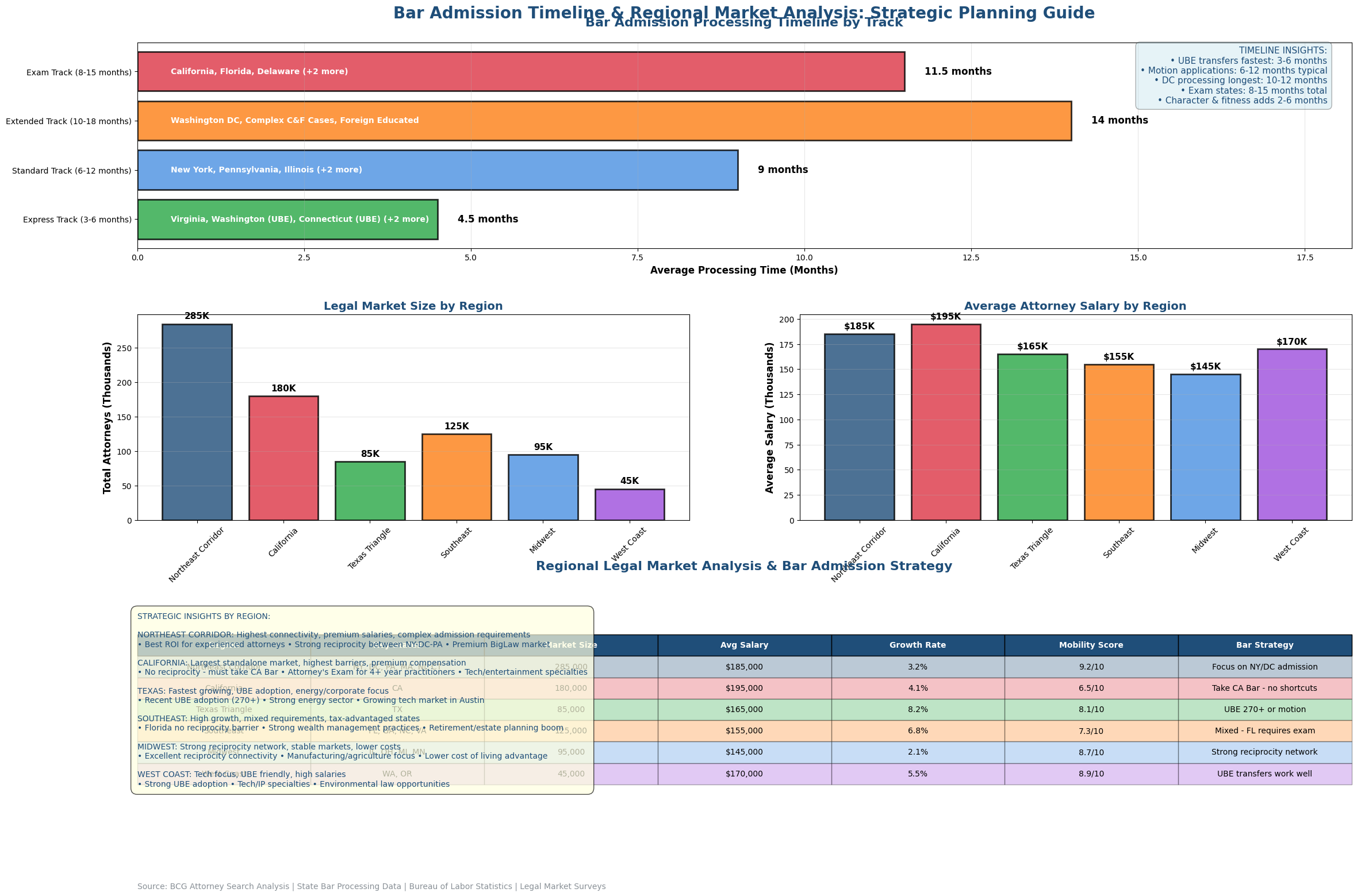
Figure 4: Bar Admission Processing Timeline and Regional Market Connectivity Analysis
Strategic timing of bar admission applications can significantly impact career transitions and opportunities. Understanding processing timelines allows attorneys to coordinate lateral moves, client development, and practice expansion effectively.
Timeline Categories
Express Track (3-6 months)
Fastest processing for straightforward applications:
- UBE Score Transfers: Connecticut, Washington, Kansas
- Simple Motion Applications: Virginia, Utah, Wyoming
- Requirements: Clean background, complete documentation, reciprocal states
- Strategy: Ideal for time-sensitive lateral moves
Standard Track (6-12 months)
Typical processing for most motion applications:
- Major Market Motions: New York, Illinois, Pennsylvania
- UBE Transfers: Massachusetts, Maryland, Texas
- Strategy: Plan 9-month advance timeline for optimal coordination
Extended Track (10-18 months)
Longer processing for complex applications:
- Washington DC: Extensive character & fitness review
- Complex C&F Cases: Prior disciplinary issues, extensive background
- Foreign-Educated Attorneys: Additional documentation requirements
- Strategy: Begin process 15-18 months before needed
Exam Track (8-15 months)
Timeline including examination preparation and processing:
- No-Reciprocity States: California, Florida, Delaware
- Preparation Time: 4-8 months recommended
- Examination Schedule: February and July for most states
- Strategy: Coordinate preparation with practice demands
Strategic Timeline Planning
Parallel Processing Strategy
For attorneys seeking admission in multiple jurisdictions:
1. Prioritize by Timeline: Start longest-processing applications first2. Document Efficiency: Prepare master document set for multiple applications
3. Character & Fitness Coordination: Address any issues consistently across applications
4. Financial Planning: Spread costs across multiple application periods
Career Transition Integration
Coordinating bar admission with lateral moves:
1. Timing Sequence: Begin bar application before starting job search2. Contingent Offers: Negotiate start dates contingent on bar admission
3. Practice Continuity: Maintain current bar standing throughout process
4. Client Communication: Prepare clients for potential jurisdiction changes
Expedited Processing Options
Limited jurisdictions offer expedited processing for qualifying circumstances:
Emergency Admission
- Available In: Select jurisdictions for urgent circumstances
- Requirements: Demonstrated immediate need, pending litigation
- Additional Costs: $500-$2,000 premium fees
- Timeline: 2-8 weeks for qualifying cases
Provisional Practice
- Supervised Practice: Some states allow supervised practice pending admission
- Requirements: Supervising attorney, specific practice limitations
- Duration: Typically 6-12 months maximum
Portable Book of Business Valuation
A portable book of business represents the client relationships, revenue streams, and professional connections that an attorney can reasonably expect to transfer when moving between firms or jurisdictions. Understanding how to value and build portable business is crucial for successful lateral moves and career advancement. Understanding where you're most marketable is just as important as how portable your credentials are, which is why many lawyers also review the Attorney Marketability Index to gauge demand before choosing their next jurisdiction.
Components of Portable Business
Primary Components (60-70% of valuation)
- Direct Client Relationships: Clients who follow the attorney personally
- Origination Credit: Business the attorney directly generates
- Exclusive Expertise: Specialized knowledge or industry connections
Secondary Components (20-30% of valuation)
- Referral Networks: Professional relationships generating business
- Industry Recognition: Speaking, writing, and thought leadership
- Geographic Connections: Regional market presence and relationships
Contingent Components (10-20% of valuation)
- Firm Synergies: Business that depends on current firm platform
- Team Dependencies: Work requiring specific team members
- Conflict Limitations: Business affected by new firm conflicts
Valuation Methodologies
Revenue-Based Valuation
Most common method for calculating portable business:
- Annual Revenue Method: 12-month trailing revenue from portable clients
- 3-Year Average: Smooths out year-to-year variations
- Adjusted Revenue: Removes non-portable or firm-specific revenue
Client Retention Analysis
Percentage-based assessment of client portability:
- Tier 1 Clients (90-100% portable): Strong personal relationships, attorney-driven
- Tier 2 Clients (60-80% portable): Mixed relationships, some firm dependence
- Tier 3 Clients (20-40% portable): Primarily firm relationships, limited portability
Market-Based Validation
External validation of portable business estimates:
- Peer Comparisons: Similar attorneys' successful lateral moves
- Market Rates: Typical client fees and matter sizes in target market
- Competitive Analysis: New firm's ability to service existing clients
Firm Requirements by Category
Solo and Small Firms (2-10 attorneys)
- Minimum Portable Business: $300,000-$500,000
- Compensation Multiple: 2-3x portable business
- Requirements: Immediate client transfer, low overhead integration
- Timeline: 90-day ramp-up expected
Regional Firms (11-50 attorneys)
- Minimum Portable Business: $500,000-$1,000,000
- Compensation Multiple: 3-4x portable business
- Requirements: Market presence, referral potential
- Timeline: 6-month ramp-up acceptable
Mid-Size Firms (51-200 attorneys)
- Minimum Portable Business: $1,000,000-$1,500,000
- Compensation Multiple: 3-5x portable business
- Requirements: Practice group contribution, cross-selling opportunities
- Timeline: 12-month ramp-up acceptable
Large Firms (201-500 attorneys)
- Minimum Portable Business: $1,500,000-$2,500,000
- Compensation Multiple: 4-6x portable business
- Requirements: Institutional clients, market leadership
- Timeline: 18-month ramp-up acceptable
BigLaw (500+ attorneys)
- Minimum Portable Business: $2,500,000-$5,000,000+
- Compensation Multiple: 5-8x portable business
- Requirements: Fortune 500 clients, international scope
- Timeline: 24-month ramp-up acceptable
Elite BigLaw (Am Law 10)
- Minimum Portable Business: $5,000,000-$10,000,000+
- Compensation Multiple: 6-10x portable business
- Requirements: Market-leading clients, industry recognition
- Timeline: 36-month ramp-up acceptable
Building Portable Business Strategy
Client Development Focus
- Personal Relationships: Develop direct client contacts beyond firm introductions
- Value Delivery: Become indispensable for specialized expertise or service quality
- Communication Ownership: Maintain primary client communication role
- Geographic Diversification: Develop clients across multiple markets
Professional Network Building
- Industry Associations: Active participation and leadership roles
- Speaking and Writing: Establish thought leadership and recognition
- Referral Sources: Cultivate relationships with complementary professionals
- Alumni Networks: Leverage law school and prior firm connections
Documentation and Validation
- Origination Tracking: Maintain detailed records of business development
- Client Testimonials: Document client satisfaction and relationship strength
- Market Recognition: Collect rankings, awards, and peer recognition
- Financial Records: Track revenue attribution and growth trends
Practice Area Mobility Matrix
Different legal practice areas have vastly different levels of geographic portability. Understanding these differences is crucial for strategic career planning and bar admission decisions. Given the rapid evolution of the legal market in 2025, understanding how multi‑jurisdictional capability intersects with market trends is key — see our market trends and career strategies article.
High-Mobility Practice Areas (85-95% Transferability)
Corporate Law
- Transferability: 95%
- Key Factors: Federal securities law, multi-state transactions
- Geographic Advantages: Major financial centers (NY, CA, TX, IL)
- Client Base: National and international corporations
- Bar Strategy: Focus on financial centers and corporate hubs
Mergers & Acquisitions
- Transferability: 95%
- Key Factors: Deal expertise, industry specialization
- Geographic Advantages: All major markets, industry-specific hubs
- Client Base: Investment banks, private equity, corporations
- Bar Strategy: Multiple major market admissions recommended
Securities Law
- Transferability: 90%
- Key Factors: Federal law dominance, SEC practice
- Geographic Advantages: Financial centers, emerging markets
- Client Base: Public companies, investment advisers
- Bar Strategy: NY and CA essential, DC valuable for regulatory work
Tax Law
- Transferability: 88%
- Key Factors: Federal tax law, specialized expertise
- Geographic Advantages: Major markets, tax-friendly states
- Client Base: Corporations, high-net-worth individuals
- Bar Strategy: No-tax states (TX, FL, NV) plus major markets
Intellectual Property
- Transferability: 85%
- Key Factors: Federal patent/trademark law, technology focus
- Geographic Advantages: Technology hubs (CA, TX, MA, WA)
- Client Base: Technology companies, research institutions
- Bar Strategy: Technology centers and USPTO proximity
Moderate-Mobility Practice Areas (60-80% Transferability)
Commercial Litigation
- Transferability: 75%
- Key Factors: Federal court practice, industry expertise
- Geographic Limitations: State court procedures, local rules knowledge
- Client Base: National corporations, commercial disputes
- Bar Strategy: Major litigation centers, industry-specific markets
Employment Law
- Transferability: 70%
- Key Factors: Federal employment law, multi-state employers
- Geographic Limitations: State employment laws vary significantly
- Client Base: Multi-location employers, national corporations
- Bar Strategy: Employee-friendly vs. employer-friendly state considerations
Real Estate
- Transferability: 65%
- Key Factors: Commercial transactions, national clients
- Geographic Limitations: State-specific property laws, local practices
- Client Base: REITs, institutional investors, developers
- Bar Strategy: Major metropolitan markets, growth regions
Banking and Finance
- Transferability: 78%
- Key Factors: Federal banking law, multi-state transactions
- Geographic Advantages: Financial centers, regulatory hubs
- Client Base: Banks, institutional lenders
- Bar Strategy: Financial centers (NY, CA, IL) plus DC for regulatory
Healthcare Law
- Transferability: 72%
- Key Factors: Federal healthcare law, industry expertise
- Geographic Limitations: State healthcare regulations, licensing
- Client Base: Health systems, medical device companies
- Bar Strategy: Healthcare hubs, regulatory centers
Limited-Mobility Practice Areas (25-50% Transferability)
Family Law
- Transferability: 45%
- Key Limitations: State-specific family codes, local court practices
- Geographic Factors: Community property vs. common law states
- Client Base: Local individuals, high-net-worth families
- Bar Strategy: Regional practice, wealthy enclaves
Criminal Law
- Transferability: 40%
- Key Limitations: State criminal codes, local prosecutor relationships
- Geographic Factors: State vs. federal practice opportunities
- Client Base: Local individuals, white-collar defendants
- Bar Strategy: Federal practice focus for mobility
Personal Injury
- Transferability: 35%
- Key Limitations: State tort law, local referral networks
- Geographic Factors: Tort-friendly vs. tort-reform states
- Client Base: Local individuals, regional cases
- Bar Strategy: Mass tort, class action specialization for mobility
Immigration Law
- Transferability: 80%
- Key Factors: Federal immigration law
- Geographic Advantages: Immigration-heavy markets, international hubs
- Client Base: Individuals, employers, international corporations
- Bar Strategy: Gateway cities, international business centers
State-Specific Practice Areas (15-30% Transferability)
Municipal Law
- Transferability: 25%
- Key Limitations: Local government law, municipal codes
- Geographic Factors: Local relationships, political knowledge
- Client Base: Local governments, municipal authorities
- Bar Strategy: Regional focus, government relationship building
Workers' Compensation
- Transferability: 30%
- Key Limitations: State-specific workers' comp systems
- Geographic Factors: Industrial vs. service economies
- Client Base: Employers, insurance companies, injured workers
- Bar Strategy: Multi-state employer focus for limited mobility
Insurance Defense
- Transferability: 45%
- Key Factors: State tort law, insurance regulations
- Geographic Advantages: National insurance company relationships
- Client Base: Insurance carriers, self-insured entities
- Bar Strategy: Insurance company hub states, regional panels
Probate and Estate Administration
- Transferability: 35%
- Key Limitations: State probate codes, local court procedures
- Geographic Factors: Wealth migration patterns, tax considerations
- Client Base: Local families, wealth management clients
- Bar Strategy: Wealth centers, retirement destinations
Regional Market Analysis
Understanding regional legal markets and their interconnections is crucial for developing an effective multi-state bar admission strategy. Different regions offer varying opportunities, salary levels, and practice synergies.
Northeast Corridor
Core Markets
- New York: Premier financial and corporate law center
- Washington DC: Federal practice and regulatory hub
- Pennsylvania: Regional corporate center, strong reciprocity
- Massachusetts: Technology, life sciences, education
- New Jersey: Pharmaceutical, corporate, NYC access
- Connecticut: Insurance, finance, NYC bedroom community
Market Characteristics
- Total Attorney Population: 285,000+
- Average Salary Premium: +15% vs. national average
- Growth Rate: 3.2% annually (steady, mature market)
- Mobility Score: 9.2/10 (excellent reciprocity network)
Strategic Advantages
- Market Integration: High client overlap between markets
- Transportation Connectivity: Easy travel between major cities
- Practice Synergies: Federal-state practice combinations
- Cultural Similarities: Similar legal cultures and practices
Recommended Admission Strategy
1. Primary Target: New York (largest market, highest premium)2. Secondary Target: DC (federal practice, unique opportunities)
3. Regional Support: Pennsylvania (strong reciprocity, lower cost)
4. Specialized Markets: Massachusetts (tech/life sciences), New Jersey (pharmaceutical)
California Standalone Market
Market Characteristics
- Total Attorney Population: 180,000+
- Average Salary Premium: +25% vs. national average
- Growth Rate: 4.1% annually (strong, diverse growth)
- Mobility Score: 6.5/10 (high barrier to entry, limited connectivity)
Practice Area Strengths
- Technology: Silicon Valley, software, hardware, intellectual property
- Entertainment: Hollywood, media, sports, gaming
- Environmental: Clean energy, environmental litigation
- International Trade: Pacific Rim commerce, import/export
- Agriculture: Agricultural technology, water rights
Geographic Subdivisions
- San Francisco Bay Area: Technology, venture capital, IP
- Los Angeles: Entertainment, real estate, international trade
- San Diego: Biotech, defense, cross-border
- Sacramento: Government relations, regulatory
- Central Valley: Agriculture, water rights
Strategic Considerations
- High Entry Barrier: No reciprocity, must take CA bar
- Attorney's Exam Option: Alternative for experienced attorneys
- Market Size Justification: Largest single state market
- Salary Premium: Highest in nation, justifies entry costs
- Limited Portability: Few attorneys leave once established
Texas Triangle
Core Markets
- Houston: Energy capital, oil & gas, petrochemicals
- Dallas: Corporate headquarters, finance, telecommunications
- Austin: Technology, government, venture capital
- San Antonio: Military, healthcare, international trade
Market Characteristics
- Total Attorney Population: 85,000+
- Average Salary Premium: +8% vs. national average (offset by lower cost of living)
- Growth Rate: 8.2% annually (highest among major markets)
- Mobility Score: 8.1/10 (recent UBE adoption, growing reciprocity)
Strategic Advantages
- Economic Growth: Fastest growing major market
- Business-Friendly Environment: No state income tax, pro-business policies
- Industry Diversification: Energy, technology, aerospace, agriculture
- UBE Adoption: Recent adoption provides dual pathway admission
Practice Area Opportunities
- Energy Law: Oil & gas, renewable energy, utilities
- Corporate Law: Fortune 500 headquarters, M&A activity
- Technology: Austin tech corridor, telecommunications
- International Trade: Mexico border, USMCA implementation
- Real Estate: Commercial development, population growth
Southeast Growth Region
Core Markets
- Florida: International trade, real estate, wealth management
- Georgia: Transportation, logistics, regional corporate hub
- North Carolina: Banking, technology, research triangle
- Virginia: Government contracting, DC metro area
Market Characteristics
- Total Attorney Population: 125,000+
- Average Salary Premium: +5% vs. national average
- Growth Rate: 6.8% annually (high growth, demographic shift)
- Mobility Score: 7.3/10 (mixed reciprocity, Florida barrier)
Growth Drivers
- Population Migration: Retirees, wealth migration from high-tax states
- Corporate Relocations: Business-friendly policies attracting companies
- International Trade: Ports, Latin American connections
- Tax Advantages: Florida and Texas no income tax
Strategic Considerations
- Florida Barrier: No reciprocity creates significant entry cost
- High ROI Potential: Strong growth offsets entry barriers
- Wealth Management: Growing high-net-worth population
- Regional Connectivity: Good reciprocity among other states
Midwest Network
Core Markets
- Illinois: Corporate, commodities, transportation hub
- Ohio: Manufacturing, healthcare, aerospace
- Michigan: Automotive, manufacturing, Great Lakes commerce
- Minnesota: Corporate headquarters, medical devices, agriculture
Market Characteristics
- Total Attorney Population: 95,000+
- Average Salary Premium: -2% vs. national average (offset by lower living costs)
- Growth Rate: 2.1% annually (stable, mature markets)
- Mobility Score: 8.7/10 (excellent reciprocity network)
Strategic Advantages
- Strong Reciprocity: Excellent connectivity between states
- Cost Advantages: Lower admission costs, living expenses
- Industry Specialization: Manufacturing, agriculture, transportation
- Market Stability: Established practices, steady demand
West Coast Innovation Corridor
Core Markets
- Washington: Technology, aerospace, international trade
- Oregon: Environmental law, technology, Pacific trade
- California: Dominant market (covered separately)
Market Characteristics (Excluding California)
- Total Attorney Population: 45,000+
- Average Salary Premium: +15% vs. national average
- Growth Rate: 5.5% annually (technology-driven growth)
- Mobility Score: 8.9/10 (excellent UBE adoption, good reciprocity)
Strategic Opportunities
- Technology Focus: Software, hardware, biotechnology
- Environmental Leadership: Clean energy, environmental litigation
- Pacific Trade: Asia-Pacific commerce, international law
- UBE Advantages: Lower barriers to entry than California
Strategic Planning Tools and Checklists
Successful multi-jurisdictional bar admission requires systematic planning, careful timing, and strategic decision-making. The following tools and checklists provide a framework for developing and executing an effective bar admission strategy.
Multi-Jurisdiction Planning Matrix
| Evaluation Criteria | Weight | Scoring Method | Strategic Impact |
|---|---|---|---|
| Market Size & Opportunity | 25% | 1-10 scale based on attorney population and growth | Revenue potential, career advancement |
| Admission Difficulty & Cost | 20% | 1-10 scale (10 = easiest/lowest cost) | Entry barriers, resource allocation |
| Practice Area Fit | 20% | 1-10 scale based on transferability matrix | Professional success likelihood |
| Geographic Synergy | 15% | 1-10 scale based on regional connectivity | Multi-state practice efficiency |
| Salary/ROI Premium | 10% | 1-10 scale based on compensation data | Financial return on investment |
| Personal/Family Factors | 10% | 1-10 scale based on individual preferences | Quality of life, sustainability |
Bar Admission Timeline Planning Worksheet
Phase 1: Research and Planning (Months 1-2)
- ☐ Complete jurisdiction evaluation matrix
- ☐ Research specific admission requirements for target states
- ☐ Calculate total costs including opportunity costs
- ☐ Assess current UBE score applicability and validity
- ☐ Review character and fitness requirements
- ☐ Identify any potential C&F issues requiring advance preparation
- ☐ Determine optimal sequence for multiple applications
- ☐ Establish budget and timeline for entire process
Phase 2: Documentation and Preparation (Months 2-4)
- ☐ Gather law school transcripts and certificates
- ☐ Obtain certificates of good standing from all current jurisdictions
- ☐ Prepare comprehensive employment history
- ☐ Document practice experience with hour calculations where required
- ☐ Collect character references and contact information
- ☐ Prepare character and fitness disclosure statements
- ☐ Take MPRE if required and not previously completed
- ☐ Complete any state-specific course requirements
Phase 3: Application Submission (Months 4-6)
- ☐ Submit applications in strategic sequence
- ☐ Pay application fees and schedule any required examinations
- ☐ Submit supporting documentation promptly
- ☐ Respond to requests for additional information quickly
- ☐ Maintain communication with admission authorities
- ☐ Continue meeting continuing education requirements in current jurisdictions
- ☐ Monitor application status regularly
- ☐ Prepare for character and fitness interviews if required
Phase 4: Processing and Follow-up (Months 6-18)
- ☐ Respond promptly to character and fitness inquiries
- ☐ Attend interviews as scheduled
- ☐ Maintain good standing in all current jurisdictions
- ☐ Update applications with any material changes
- ☐ Complete continuing education requirements for new admissions
- ☐ Register with new bar associations upon admission
- ☐ Update professional profiles and marketing materials
- ☐ Begin planning practice development in new jurisdictions
Character and Fitness Preparation Checklist
Full Disclosure Requirements
- ☐ All civil lawsuits as party (even if dismissed)
- ☐ All criminal charges (including traffic violations in many states)
- ☐ All professional disciplinary actions or investigations
- ☐ All academic disciplinary actions
- ☐ All financial difficulties (bankruptcy, judgments, liens)
- ☐ All substance abuse treatment or counseling
- ☐ All mental health treatment affecting professional capacity
- ☐ All employment terminations or resignations under pressure
Documentation Support
- ☐ Court records for all disclosed legal proceedings
- ☐ Police reports for all disclosed incidents
- ☐ Medical records supporting rehabilitation claims
- ☐ Employment records documenting circumstances
- ☐ Character references from colleagues and clients
- ☐ Evidence of community service or rehabilitation efforts
- ☐ Updated disclosure statements for any developments during processing
Interview Preparation
- ☐ Review all application materials thoroughly
- ☐ Prepare concise explanations for all disclosed items
- ☐ Practice interview responses with colleagues
- ☐ Gather current documentation supporting rehabilitation or resolution
- ☐ Prepare list of current character references
- ☐ Review jurisdiction's character and fitness standards
- ☐ Consider representation by character and fitness attorney if issues are complex
Cost-Benefit Analysis Worksheet
Direct Cost Calculation
| Cost Category | Amount Range | Your Estimate | Notes |
|---|---|---|---|
| Application Fees | $200-$1,500 per jurisdiction | $_______ | Check current fee schedules |
| Examination Fees | $300-$1,300 (if required) | $_______ | Only for non-reciprocity states |
| Preparation Courses | $2,000-$4,500 (if exam required) | $_______ | Bar prep for exam states |
| Study Materials | $200-$800 | $_______ | Books, online resources |
| Course Requirements | $200-$800 per state | $_______ | State-specific CLE requirements |
| Travel and Accommodation | $500-$2,000 | $_______ | Interviews, examinations |
| Total Direct Costs | — | $_______ | — |
Opportunity Cost Calculation
| Time Investment | Hours Required | Your Hourly Rate | Opportunity Cost |
|---|---|---|---|
| Application Preparation | 20-50 hours per application | $_______ | $_______ |
| Exam Preparation | 300-600 hours (if required) | $_______ | $_______ |
| Administrative Tasks | 15-30 hours per application | $_______ | $_______ |
| Total Opportunity Cost | — | — | $_______ |
Benefit Projection
| Benefit Category | Annual Value | Your Estimate | Notes |
|---|---|---|---|
| Salary Premium | 5-25% increase | $_______ | Based on market data |
| Additional Opportunities | $10,000-$100,000+ | $_______ | New client/matter access |
| Career Optionality | Difficult to quantify | $_______ | Flexibility value |
| Total Annual Benefits | — | $_______ | — |
ROI Calculation
- Total Investment: Direct Costs + Opportunity Costs = $_______
- Annual Return: Total Annual Benefits = $_______
- Payback Period: Total Investment ÷ Annual Return = _____ years
- 5-Year ROI: (5 × Annual Return - Total Investment) ÷ Total Investment = _____%
Risk Assessment and Mitigation
Common Risk Factors
- Character and Fitness Issues: Undisclosed or inadequately explained background issues
- Application Delays: Processing times longer than expected
- Examination Failure: Not passing required bar examinations
- Cost Overruns: Expenses exceeding budget projections
- Market Changes: Economic conditions affecting target markets
- Personal Circumstances: Family or health issues affecting timeline
Mitigation Strategies
- Early Character and Fitness Review: Consult with admission authorities or attorneys about potential issues
- Buffer Timeline: Add 6-12 months to projected timelines
- Examination Preparation: Invest in quality preparation and consider multiple attempts if necessary
- Financial Planning: Establish contingency budget of 25-50% above projections
- Market Monitoring: Stay informed about economic and legal market developments
- Flexible Planning: Develop alternative strategies for changing circumstances
Frequently Asked Questions
General Bar Admission Questions
Q: Can I lateral to California without being admitted yet?
A: California requires bar passage before practice, but many firms will hire attorneys with admission pending. Key considerations:
- Negotiate start date around bar exam schedule (February or July)
- Most firms provide 3-6 months for bar passage
- Attorney's Examination available for attorneys with 4+ years practice experience
- Consider temporary of counsel arrangements during admission process
- Some firms provide bar prep support and paid study time
Q: Do I need to waive into D.C. to work there?
A: It depends on the type of work and firm requirements:
- Federal Court Practice: DC bar admission not required, but need admission in some U.S. jurisdiction
- DC Superior Court: DC admission required for local court practice
- Regulatory Work: Many federal agencies don't require DC admission
- Firm Requirements: Most DC firms prefer or require DC admission for associates
- Client Expectations: Some clients require DC-admitted attorneys
- Timeline: Plan 10-12 months for DC admission processing
Q: How portable is my book of business across state lines?
A: Portability varies significantly by practice area and client relationships:
- Federal Practice Clients (90-95% portable): Securities, M&A, federal litigation
- Multi-State Corporate Clients (80-90% portable): National corporations, franchisors
- Regional Business Clients (60-80% portable): Regional companies, referral sources
- Local Individual Clients (30-60% portable): Personal clients, local businesses
- State-Specific Clients (20-40% portable): Workers' comp, local government
Q: What UBE score should I target for maximum mobility?
A: UBE score targets depend on your mobility goals:
- 270 Points: Access to 19 jurisdictions, including major markets like Texas and Massachusetts
- 266 Points: Access to 10 jurisdictions, including DC and Washington
- 276 Points: Access to all UBE jurisdictions, including most competitive (Colorado, Maine)
- Strategic Recommendation: Target 270+ for optimal flexibility
- Retake Consideration: If scored below 270, retaking may provide better long-term ROI
Timing and Process Questions
Q: How far in advance should I start the bar admission process?
A: Timeline recommendations by admission type:
- UBE Score Transfer: 6-9 months before needed
- Motion Admission (straightforward): 9-12 months before needed
- Motion Admission (complex C&F): 12-18 months before needed
- DC Admission: 15-18 months before needed
- Exam Required States: 12-18 months including preparation time
- Multiple Jurisdictions: Start with longest-processing applications first
Q: Can I practice while my admission application is pending?
A: Limited practice options vary by jurisdiction:
- Supervised Practice: Some states allow practice under supervision
- In-House Counsel: May not require state admission for internal legal work
- Federal Practice: Possible in federal courts with admission in any U.S. jurisdiction
- Temporary Practice: Some states allow temporary practice for specific matters
- Pro Hac Vice: Case-by-case admission for specific litigation
- Consulting Services: Non-legal consulting may be permissible
Q: What happens if I fail the bar exam as a lateral attorney?
A: Failure consequences and recovery strategies:
- Employment Impact: Most firms provide 2-3 attempts before termination
- Timeline Extension: Plan additional 6-12 months for retake
- Alternative Jurisdictions: Consider easier admission options
- Preparation Enhancement: Invest in different prep programs or tutoring
- Practice Restrictions: May be limited to current jurisdictions during retake period
- Client Impact: Inform clients of jurisdiction limitations
Cost and Financial Questions
Q: Will law firms pay for bar admission costs?
A: Firm support varies by firm size and circumstances:
- BigLaw Firms: Often pay application fees, exam fees, and prep courses
- Mid-Size Firms: May provide partial support or reimbursement upon admission
- Small Firms: Usually expect attorneys to pay their own costs
- Negotiable Items: Application fees, prep courses, exam fees, time off for study
- Reimbursement Terms: Often require commitment period (1-3 years)
- Multiple Jurisdictions: Firms typically limit support to 1-2 additional admissions
Q: Are bar admission costs tax deductible?
A: Tax treatment depends on circumstances:
- Current Practice: Generally deductible as business expenses if maintaining or improving current skills
- New Practice Areas: May not be deductible if qualifying for new type of work
- Geographic Expansion: Usually deductible if expanding existing practice to new locations
- Career Change: Generally not deductible if changing careers or practice areas
- Documentation: Keep detailed records linking expenses to current practice
- Professional Advice: Consult tax professional for specific circumstances
Strategic Planning Questions
Q: Which states should I prioritize for a national corporate practice?
A: Recommended priority sequence for corporate practice:
1. New York: Premier corporate and securities market2. Delaware: Corporate law expertise, Chancery Court specialization
3. California: Largest market, technology sector
4. Texas: Growing corporate market, energy sector, favorable business environment
5. Illinois: Midwest corporate hub, commodities, transportation
6. Washington DC: Regulatory work, government relations
Q: How do I maintain good standing in multiple jurisdictions?
A: Multi-jurisdiction compliance requirements:
- Continuing Education: Track CLE requirements for each jurisdiction
- Annual Registration: Maintain current registration and pay fees
- Professional Responsibility: Understand ethics rules variations between states
- Trust Account Rules: Comply with trust account requirements where applicable
- Disciplinary Reporting: Report any disciplinary actions to all jurisdictions
- Address Updates: Maintain current contact information with all bars
Q: Should I get admitted in states where I don't plan to practice immediately?
A: Strategic considerations for speculative admissions:
- Future Opportunities: May become valuable for unexpected opportunities
- Admission Requirements: May become more restrictive over time
- Maintenance Costs: Ongoing CLE and registration requirements
- Practice Requirements: Some states require minimum practice activity
- Alternative Strategy: Focus on high-value markets with immediate potential
- Cost-Benefit Analysis: Weigh speculative benefits against certain costs
Conclusion and Next Steps
The legal profession's increasing mobility and the evolving landscape of bar admission requirements create both challenges and opportunities for attorneys seeking to expand their geographic reach. This comprehensive analysis demonstrates that strategic bar admission planning can significantly enhance career opportunities, increase earning potential, and provide valuable professional flexibility.
- To supplement this portability roadmap, our guide to becoming a multi-state attorney explores real challenges such as administrative burdens, ethics, and client management across jurisdictions.
Key Strategic Takeaways
Market-Driven Decision Making
Successful bar admission strategy must be grounded in thorough market analysis rather than convenience or preference alone. Our analysis reveals that attorneys who make data-driven decisions about target jurisdictions achieve better ROI and career outcomes than those who pursue admissions opportunistically.
The UBE Advantage
The widespread adoption of the Uniform Bar Examination has fundamentally changed the bar admission landscape. Attorneys with UBE scores of 270 or higher have access to 19 different jurisdictions, providing unprecedented mobility options. For attorneys taking any bar examination, investing in preparation sufficient to achieve a 270+ score provides long-term strategic value far exceeding the additional preparation cost. If you’re a foreign‑trained lawyer considering U.S. admission, the state‑by‑state guide to LL.M. bar eligibility provides critical context.
Regional Cluster Strategy
Rather than pursuing scattered admissions, attorneys benefit from focusing on regional clusters with strong economic and legal connections. The Northeast Corridor (NY-DC-PA-MA), Texas Triangle (Houston-Dallas-Austin), and West Coast Innovation Corridor (WA-OR-CA) offer synergistic opportunities that amplify the value of multiple admissions within each region.
Practice Area Portability
The transferability of legal practice varies dramatically by practice area, with federal and corporate practices achieving 85-95% portability while state-specific practices often transfer at only 25-45% rates. Attorneys should align their bar admission strategy with their practice area's mobility characteristics, with those in highly portable practices prioritizing premium markets and those in state-specific practices focusing on regional depth. Relocation can bring professional opportunities—but true satisfaction depends on more than geography. Finding Happiness in the Legal Industry highlights how lifestyle balance and emotional fulfillment play key roles in long-term success for mobile attorneys.
- Once you’re admitted in multiple jurisdictions, be sure to follow our tips on how to list bar admissions on your resume so that recruiters and firms understand your multi-state credentials clearly.
Implementation Recommendations
Phase 1: Strategic Assessment (Months 1-3)
1. Complete Practice Area Analysis: Use the mobility matrix to assess your practice's transferability2. Market Opportunity Evaluation: Analyze target markets using our comprehensive framework
3. Financial Planning: Calculate total costs and ROI projections for each target jurisdiction
4. Timeline Development: Create master timeline coordinating multiple applications
Phase 2: Application Preparation (Months 3-6)
1. Documentation Assembly: Gather all required documents using our comprehensive checklist2. Character and Fitness Preparation: Address any potential issues proactively
3. UBE Score Assessment: Determine if current scores meet strategic objectives
4. Course Requirements: Complete any state-specific education requirements
Phase 3: Execution and Monitoring (Months 6-24)
1. Strategic Application Sequence: Submit applications in order of processing timeline2. Active Case Management: Monitor progress and respond promptly to requests
3. Contingency Planning: Prepare alternative strategies for delays or complications
4. Practice Development: Begin building relationships in target markets
Long-Term Strategic Considerations
Technology and Remote Practice
The COVID-19 pandemic accelerated the adoption of remote work practices in the legal profession, potentially affecting the value of multi-state admissions. However, our analysis suggests that bar admission requirements are likely to become more rather than less important as clients and firms seek attorneys with broad jurisdictional capability to serve their geographic footprint.
Regulatory Evolution
Bar admission requirements continue to evolve, with trends toward greater reciprocity and UBE adoption. Attorneys who establish multi-state practices now position themselves advantageously for future regulatory developments while ensuring access to current opportunities. For a deeper dive into state‑by‑state reciprocity and the waiver‑in process, see our detailed article on bar reciprocity rules and processes.
Market Consolidation
The legal services market continues to consolidate around major metropolitan areas and specialized practice clusters. Multi-state admission provides attorneys with flexibility to adapt to changing market dynamics and pursue opportunities wherever they develop.
Call to Action
The window of opportunity for strategic bar admission planning is optimal in the current environment. Economic growth, demographic shifts, and regulatory changes are creating unprecedented demand for attorneys with multi-jurisdictional capability. Attorneys who act strategically now will be positioned to capitalize on these trends throughout their careers. Effective bar admission strategy often intersects with your lateral‑move timeline — our complete attorney career guide explains how bar admissions and laterals align.
Immediate Next Steps
1. Assessment: Complete the strategic planning tools provided in this guide2. Research: Investigate specific requirements for your highest-priority target jurisdictions
3. Planning: Develop a 3-5 year bar admission timeline aligned with your career goals
4. Implementation: Begin the application process for your first strategic admission
5. Professional Support: Consider working with experienced legal recruiters who understand multi-jurisdictional opportunities
Professional Resources
For attorneys seeking opportunities across multiple jurisdictions, BCG Attorney Search offers specialized expertise in multi-state placements and lateral moves. Their understanding of regional markets, firm requirements, and bar admission implications can be valuable for attorneys implementing multi-jurisdictional strategies. As you explore credential options, it’s worth reading why J.D. credentials often outperform LL.M. credentials for foreign attorneys seeking U.S. admission.
Explore opportunities at: BCG Attorney Search
Final Thoughts
Multi-jurisdictional bar admission represents both an investment and an insurance policy for legal careers. While the upfront costs and time commitments are substantial, the long-term benefits of geographic flexibility, expanded opportunities, and enhanced earning potential justify the investment for most attorneys with portable practices.
The legal profession will continue to evolve toward greater mobility and geographic integration. Attorneys who position themselves strategically now will be best positioned to benefit from future opportunities while maintaining the flexibility to adapt to changing market conditions. In fact, some states allow attorneys to waive into the bar without re‑taking the exam — click here for a full overview of states that allow waiver‑in bar admission.
Success in multi-jurisdictional practice requires more than bar admission—it demands understanding of local markets, development of regional relationships, and adaptation to varying legal cultures. However, bar admission remains the essential foundation upon which multi-state practices are built.
The comprehensive framework, analysis, and tools provided in this guide offer attorneys the strategic intelligence needed to make informed decisions about their multi-jurisdictional futures. The key is to begin with thorough analysis, proceed with careful planning, and execute with patience and persistence.
Your career mobility and geographic flexibility are valuable professional assets. Invest in them strategically, and they will provide returns throughout your legal career.
About This Guide
This comprehensive analysis was compiled from official state bar sources, regulatory filings, market research, and professional placement data. Information is current as of 2025 and subject to change as states modify their admission requirements.
Disclaimer
This guide provides general information and strategic analysis for educational purposes. Specific admission requirements and procedures may vary by jurisdiction and individual circumstances. Attorneys should verify current requirements with relevant state bar authorities and consider consulting with admission specialists for complex situations. Once you’ve secured multi‑jurisdictional admission, you’ll want to leverage it effectively — the guide to becoming a multi‑state lawyer outlines opportunities and real‑world tips.
Sources and Attribution
Data compiled from: State Bar Associations, National Conference of Bar Examiners (NCBE), Bureau of Labor Statistics, Legal Market Surveys, BCG Attorney Search Placement Data, Chambers and Partners Rankings, Legal 500 Rankings, and American Bar Association Resources.
About Harrison Barnes
No legal recruiter in the United States has placed more attorneys at top law firms across every practice area than Harrison Barnes. His unmatched expertise, industry connections, and proven placement strategies have made him the most influential legal career advisor for attorneys seeking success in Big Law, elite boutiques, mid-sized firms, small firms, firms in the largest and smallest markets, and in over 350 separate practice areas.
A Reach Unlike Any Other Legal Recruiter
Most legal recruiters focus only on placing attorneys in large markets or specific practice areas, but Harrison places attorneys at all levels, in all practice areas, and in all locations-from the most prestigious firms in New York, Los Angeles, and Washington, D.C., to small and mid-sized firms in rural markets. Every week, he successfully places attorneys not only in high-demand practice areas like corporate and litigation but also in niche and less commonly recruited areas such as:
- Immigration Law
- Workers Compensation
- Insurance
- Family Law
- Trust and Estate
- Municipal law
- And many more...
This breadth of placements is unheard of in the legal recruiting industry and is a testament to his extraordinary ability to connect attorneys with the right firms, regardless of market size or practice area.
Proven Success at All Levels
With over 25 years of experience, Harrison has successfully placed attorneys at over 1,000 law firms, including:
- Top Am Law 100 firms such including Sullivan and Cromwell, and almost every AmLaw 100 and AmLaw 200 law firm.
- Elite boutique firms with specialized practices
- Mid-sized firms looking to expand their practice areas
- Growing firms in small and rural markets
He has also placed hundreds of law firm partners and has worked on firm and practice area mergers, helping law firms strategically grow their teams.
Unmatched Commitment to Attorney Success - The Story of BCG Attorney Search
Harrison Barnes is not just the most effective legal recruiter in the country, he is also the founder of BCG Attorney Search, a recruiting powerhouse that has helped thousands of attorneys transform their careers. His vision for BCG goes beyond just job placement; it is built on a mission to provide attorneys with opportunities they would never have access to otherwise. Unlike traditional recruiting firms, BCG Attorney Search operates as a career partner, not just a placement service. The firm's unparalleled resources, including a team of over 150 employees, enable it to offer customized job searches, direct outreach to firms, and market intelligence that no other legal recruiting service provides. Attorneys working with Harrison and BCG gain access to hidden opportunities, real-time insights on firm hiring trends, and guidance from a team that truly understands the legal market. You can read more about how BCG Attorney Search revolutionizes legal recruiting here: The Story of BCG Attorney Search and What We Do for You.
The Most Trusted Career Advisor for Attorneys
Harrison's legal career insights are the most widely followed in the profession.
- His articles on BCG Search alone are read by over 150,000 attorneys per month, making his guidance the most sought-after in the legal field. Read his latest insights here.
- He has conducted hundreds of hours of career development webinars, available here: Harrison Barnes Webinar Replays.
- His placement success is unmatched-see examples here: Harrison Barnes' Attorney Placements.
- He has created numerous comprehensive career development courses, including BigLaw Breakthrough, designed to help attorneys land positions at elite law firms.
Submit Your Resume to Work with Harrison Barnes
If you are serious about advancing your legal career and want access to the most sought-after law firm opportunities, Harrison Barnes is the most powerful recruiter to have on your side.
Submit your resume today to start working with him: Submit Resume Here
With an unmatched track record of success, a vast team of over 150 dedicated employees, and a reach into every market and practice area, Harrison Barnes is the recruiter who makes career transformations happen and has the talent and resources behind him to make this happen.
A Relentless Commitment to Attorney Success
Unlike most recruiters who work with only a narrow subset of attorneys, Harrison Barnes works with lawyers at all stages of their careers, from junior associates to senior partners, in every practice area imaginable. His placements are not limited to only those with "elite" credentials-he has helped thousands of attorneys, including those who thought it was impossible to move firms, find their next great opportunity.
Harrison's work is backed by a team of over 150 professionals who work around the clock to uncover hidden job opportunities at law firms across the country. His team:
- Finds and creates job openings that aren't publicly listed, giving attorneys access to exclusive opportunities.
- Works closely with candidates to ensure their resumes and applications stand out.
- Provides ongoing guidance and career coaching to help attorneys navigate interviews, negotiations, and transitions successfully.
This level of dedicated support is unmatched in the legal recruiting industry.
A Legal Recruiter Who Changes Lives
Harrison believes that every attorney-no matter their background, law school, or previous experience-has the potential to find success in the right law firm environment. Many attorneys come to him feeling stuck in their careers, underpaid, or unsure of their next steps. Through his unique ability to identify the right opportunities, he helps attorneys transform their careers in ways they never thought possible.
He has worked with:
- Attorneys making below-market salaries who went on to double or triple their earnings at new firms.
- Senior attorneys who believed they were "too experienced" to make a move and found better roles with firms eager for their expertise.
- Attorneys in small or remote markets who assumed they had no options-only to be placed at strong firms they never knew existed.
- Partners looking for a better platform or more autonomy who successfully transitioned to firms where they could grow their practice.
For attorneys who think their options are limited, Harrison Barnes has proven time and time again that opportunities exist-often in places they never expected.
Submit Your Resume Today - Start Your Career Transformation
If you want to explore new career opportunities, Harrison Barnes and BCG Attorney Search are your best resources. Whether you are looking for a BigLaw position, a boutique firm, or a move to a better work environment, Harrison's expertise will help you take control of your future.
Submit Your Resume Here to get started with Harrison Barnes today.
Harrison's reach, experience, and proven results make him the best legal recruiter in the industry. Don't settle for an average recruiter-work with the one who has changed the careers of thousands of attorneys and can do the same for you.
About BCG Attorney Search
BCG Attorney Search matches attorneys and law firms with unparalleled expertise and drive, while achieving results. Known globally for its success in locating and placing attorneys in law firms of all sizes, BCG Attorney Search has placed thousands of attorneys in law firms in thousands of different law firms around the country. Unlike other legal placement firms, BCG Attorney Search brings massive resources of over 150 employees to its placement efforts locating positions and opportunities its competitors simply cannot. Every legal recruiter at BCG Attorney Search is a former successful attorney who attended a top law school, worked in top law firms and brought massive drive and commitment to their work. BCG Attorney Search legal recruiters take your legal career seriously and understand attorneys. For more information, please visit www.BCGSearch.com.
Harrison Barnes does a weekly free webinar with live Q&A for attorneys and law students each Wednesday at 10:00 am PST. You can attend anonymously and ask questions about your career, this article, or any other legal career-related topics. You can sign up for the weekly webinar here: Register on Zoom
Harrison also does a weekly free webinar with live Q&A for law firms, companies, and others who hire attorneys each Wednesday at 10:00 am PST. You can sign up for the weekly webinar here: Register on Zoom
You can browse a list of past webinars here: Webinar Replays
You can also listen to Harrison Barnes Podcasts here: Attorney Career Advice Podcasts
You can also read Harrison Barnes' articles and books here: Harrison's Perspectives
Harrison Barnes is the legal profession's mentor and may be the only person in your legal career who will tell you why you are not reaching your full potential and what you really need to do to grow as an attorney--regardless of how much it hurts. If you prefer truth to stagnation, growth to comfort, and actionable ideas instead of fluffy concepts, you and Harrison will get along just fine. If, however, you want to stay where you are, talk about your past successes, and feel comfortable, Harrison is not for you.
Truly great mentors are like parents, doctors, therapists, spiritual figures, and others because in order to help you they need to expose you to pain and expose your weaknesses. But suppose you act on the advice and pain created by a mentor. In that case, you will become better: a better attorney, better employees, a better boss, know where you are going, and appreciate where you have been--you will hopefully also become a happier and better person. As you learn from Harrison, he hopes he will become your mentor.
To read more career and life advice articles visit Harrison's personal blog.