Career Success for Lawyers: Strategies to Stay Focused and Advance

This isn't just anecdotal; it's epidemic. Drawing from raw, unfiltered career advising sessions—like one with a talented PhD candidate who defended her "versatile" resume packed with criminal defense, crypto token launches, human rights papers, and even yoga-for-vets awards—this BCG Attorney Search guide dives deep. We'll explore the "jack-of-all-trades" trap, resume pitfalls, employer psychology, and strategic fixes, tailored to your stage: law student uncertainty, new attorney hustle, or experienced pro reinvention. This video guide on standing out in your legal job search offers practical advice to overcome those common obstacles.
Lack of focus is magnified in large firms—this video explains why most lawyers should not work in large law firms and how to align career choices with personal strengths. For actionable guidance on maintaining focus and sanity throughout your legal career, watch our video here: How to Not Fail, Die or Go Crazy Practicing Law.
Why now? The 2025 legal market is booming yet brutal. U.S. Bureau of Labor Statistics data shows lawyer employment projected to grow 4% from 2024-2034, with about 31,500 annual openings—but unemployment hovers at a deceptively low 0.9%, masking underemployment and dissatisfaction. Google Trends spikes in "how to choose a legal practice area" (up 25% YoY), "law student undecided practice area," and "attorney career change after 40" signal a crisis of confidence.
Over 40% of attorneys report trajectory dissatisfaction per ABA insights, with 25% frequently switching jobs due to misalignment. Developing focus begins in law school—see 5 ways law students can make the most of every opportunity. This video on protecting your confidence and spirit in the legal field is a valuable reminder that persistence and belief in yourself matter more than external judgments.
Search no more—this is your definitive roadmap. We'll break down failure modes with real transcript insights (e.g., the brain surgeon analogy: "If you had brain cancer, you wouldn't hire a doc who dabbles in orthopedics and psychiatry!"), employer mindsets, and actionable steps. By the end, you'll niche down, craft a killer resume, and tap the hidden market. Let's turn scattered energy into unstoppable momentum. Attorneys looking to counteract the risks of frequent moves can benefit from this insightful video on red flags in long-term employment potential detailing strategies to demonstrate commitment.
Attorneys who recognize they’ve lost direction can benefit from understanding How to Escape Career Stagnation and Land the Right Legal Role, which outlines proven strategies for getting back on a productive career track.
See Related Articles:
- Why Focus Matters: Tailoring Your Legal Resume to Stand Out
- The One Key Goal You Must Focus on During the Attorney Interview Process
- The Legal Career Specialization Imperative: Why 'Open to Anything' Fails and Focused Positioning Succeeds
- Why Lawyers at Every Stage Struggle — The Hidden Costs of Lacking Focus
The Universal Trap: Why Lacking Focus Dooms Legal Careers at Any Stage
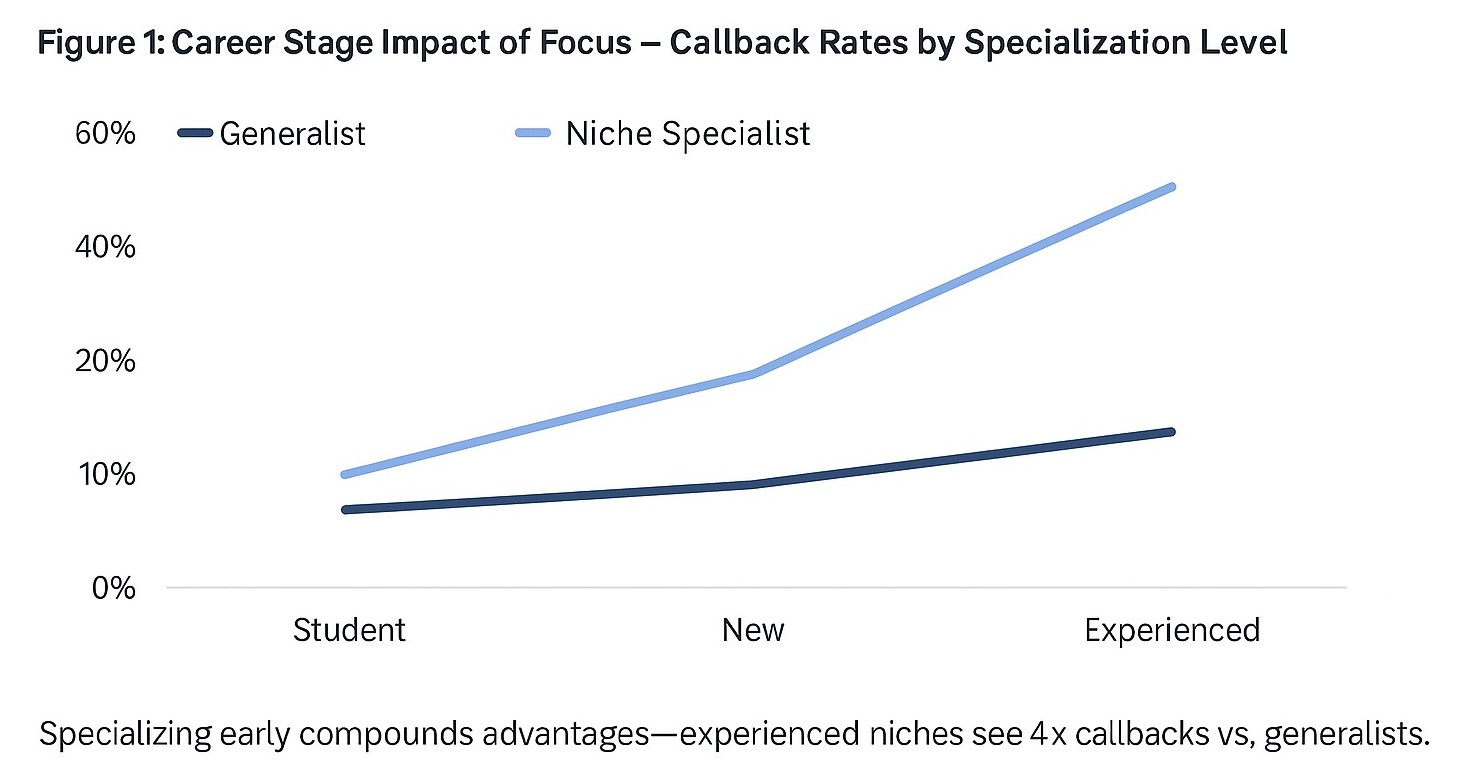
Focus isn't optional—it's survival. In law, where clients pay for precision, employers filter for "scent": that instant vibe of "This candidate owns [practice area]." Transcript wisdom: "Lawyers deal with discrete issues, not big ideas. Academics chase theory; firms want direct arguments. Clients don't budget for philosophy." A helpful perspective comes from the video What Do Unhappy Legal Careers and Bad Romantic Relationships Have in Common?, which explains how lack of specialization often mirrors settling for the wrong partner.
- Law Students: OCI looms, but broad electives (policy + tech + crim) leave you generic. Recruiters skip "versatile" for "litigation litigator."
- New Attorneys: Bar passage is victory, but hopping clerkships signals flightiness. You need 2+ years in one lane for credibility.
- Experienced Attorneys: Diverse solos (e.g., felony mitigations + blockchain) scream "uncommitted." Mid-career pivots from in-house or academia? Firms presume you'll bolt.
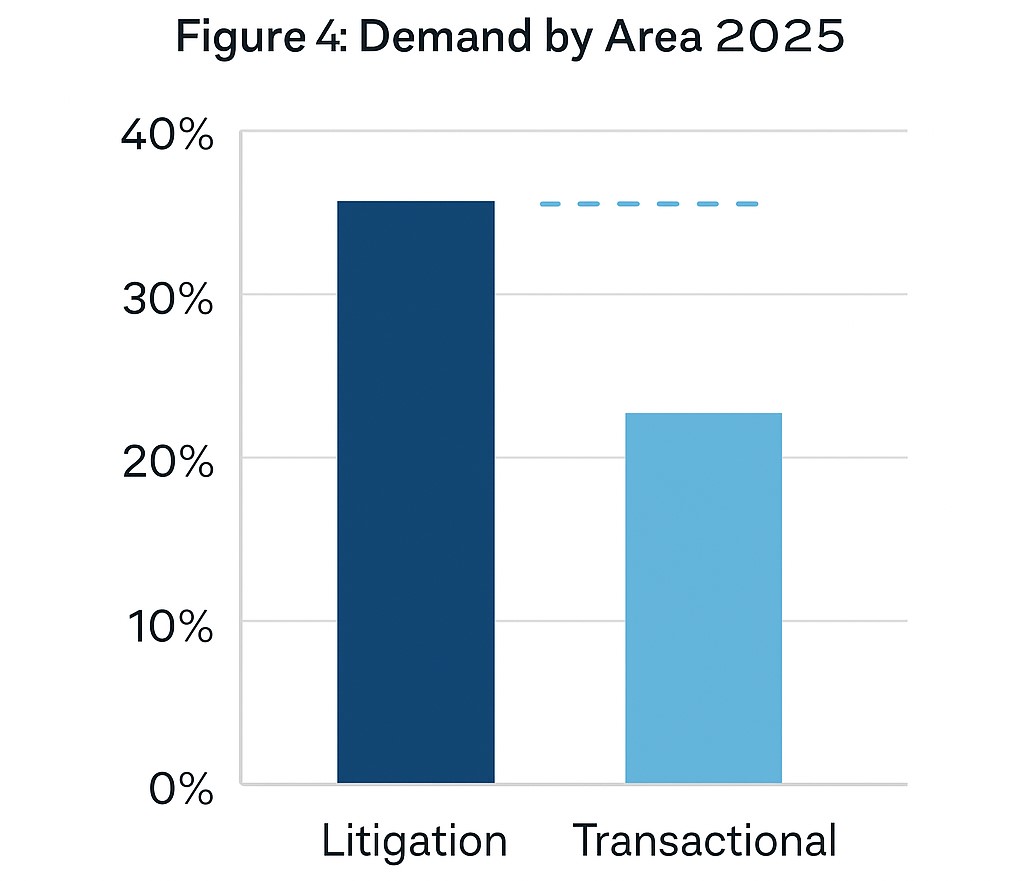
Real impact: Clio's Legal Trends underscore this—generalist solos log 1.2 billable hours/day vs. 2.5+ for niche pros, a 108% earnings gap. Thomson Reuters' 2025 report flags "historic demand growth" but warns: Without agility in specialization, you'll miss the surge in litigation (+3.3% hours) and transactional rebound (+1.6%). Avoiding career missteps is critical, and Achieving Career Satisfaction: Make the Investment, But Choose Your Investments Carefully provides practical advice for investing wisely in your professional growth.
Figure 1: Career Stage Impact of Focus – Callback Rates by Specialization Level
1. Lack of Specialization: Escaping the "Jack-of-All-Trades" Myth
The #1 killer? Posing as a generalist in an expert's game. Firms, government gigs, and nonprofits crave depth in one arena—criminal defense, crypto compliance, employment litigation, or workers' comp. Transcript zinger: "Why hire someone doing women's rights and crypto? They have specialists. You're like a doctor claiming orthopedics, psychiatry, and brain surgery—clients think, 'What the fuck? I'm dying!'" Much of that struggle ties back to control and purpose, which is why this video about the real roots of attorney unhappiness resonates with lawyers who feel they’re always doing work dictated by others.
Why It Leads to Failure Across Stages
- Law Students: "Undecided" vibes tank OCI. Recruiters want "IP enthusiast" over "open to anything."
- New Attorneys: Surface-level exposure (e.g., 8 trials/year but scattered felonies/misdemeanors) reads as shallow. "One year per area since bar? No depth."
- Experienced Attorneys: Broad solos (e.g., high-level homicides + token launches) signal indecision. "Four things post-law school? Equivalent to one year expertise each."
Real-World Impact & Data
Mid-career pros accumulate "diversity debt"—solo, clerkships, academia—but it backfires. BLS notes 30%+ underemployment shadows the 0.9% headline rate. Searches for "lawyer specialization tips" surge 30% in 2025, with interviewees bombing on "Why this role?" NALP data shows bar-required jobs at 72% for Class of 2024 grads—specialists snag them. Balance focus with breadth by watching our video, Top 10 Reasons Attorneys Should Look at Multiple Markets in Their Job Search, which explains how strategic market exploration prevents missed opportunities.
Understanding the psychology behind focus and career management can be found in Exploring the Connection Between Attorneys and Psychology.
How to Fix It: Stage-Specific Strategies
- Law Students: Audit rotations—pick one (e.g., crim via clinic). Tailor OCI apps: "Trial skills from mock court, eyeing defense."
- New Attorneys: Version resumes: Litigation ( "8 felonies/year") vs. tech ("Mitigated exposure in 5 launches"). Use LinkedIn filters for hot spots like employment law (perennial demand).
- Experienced Attorneys: Niche your PhD (e.g., "Global leadership → international arbitration"). Ditch pre-law fluff unless tied (e.g., judicial clerkship). Aim for one vertical: Create 3-5 targeted CVs.
2. Mismatched Resume Formatting: Bridging Academic Dreams and Firm Realities
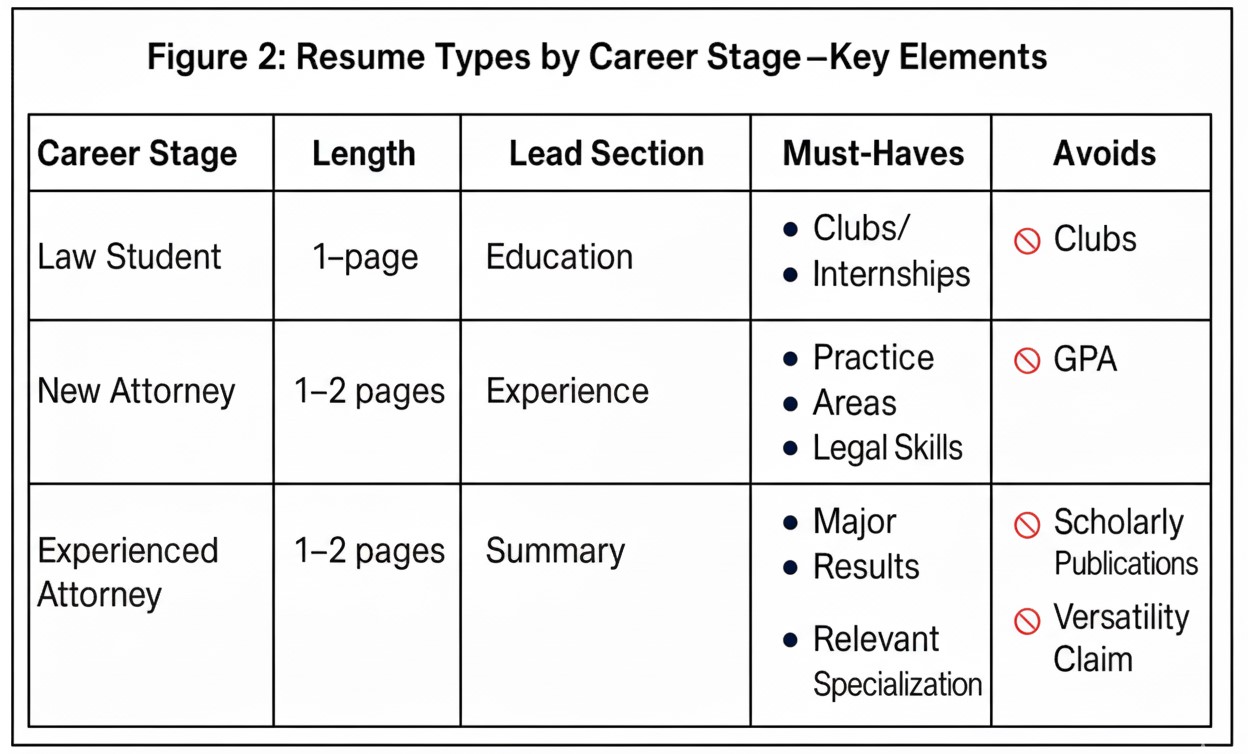
Your resume is your first argument—botch the format, lose the case. Academic CVs (endless pubs, presentations) crush in ivory towers but flop in BigLaw. Transcript takedown: "Pepperdine's center built a scholar's dream—papers on prison reform? Firms want 'Handled 8 felonies/year,' not theory. Bar numbers after 5 years? GPA? Red flags for neutrality." Many of these struggles stem from a lack of internal alignment. The insightful piece Finding Happiness in the Legal Industry dives into how attorneys can reconnect with purpose and joy even amid career challenges.
Why It Leads to Failure
- Law Students: Bloated with clubs/GPAs screams "unpolished."
- New Attorneys: Theory-heavy ignores billables— "Political presentations? Worry you'll sue us."
- Experienced Attorneys: Scholarly sprawl hides practice wins. "Versatility" defense? Ignores psych: Seconds to "scent" fit.
Real-World Impact
Advising chats reveal defenses: "It shows versatility!" But data disagrees—BLS underemployment ties to poor signaling. 2025 Trends: "One-page attorney resume" queries up 40%. Facing early criticism or being told you’re “too new” can be discouraging. This Q&A explores whether such feedback is part of normal training or an excuse: Is Being Told “You’re Too New” in a Law Firm Just an Excuse or a Normal Part of Training?.
How to Fix It
- Law Students: One page: Lead with clinics/internships. Bullets: Quantify (e.g., "Researched 10 cases for PD office").
- New Attorneys: Bury education post-bar; axe bar #. "Certified post-law clerk: 2 years felonies."
- Experienced Attorneys: Summarize PhD: "Enhanced [niche] via global research." Multiple versions: Academic (expand pubs) vs. firm ( "10+ years mitigation, felonies/financial crimes").
Pro tip: Neutralize—omit opinions unless aligned (e.g., pro-reform for ACLU).
To counterbalance these challenges, 21 Unsurpassed Reasons Why Practicing Law Is the Best Profession reminds attorneys of the many inspiring reasons they chose law in the first place.
Figure 2: Resume Types by Career Stage – Key Elements
3. Ignoring Employer Expectations: Mastering Manageability, Commitment, and Neutrality
Law's a team sport—firms want neutral chameleons who execute, not ideologues. Transcript nanny parable: "Hiring a nanny? Skip the meat-pusher if you're vegan—or the nap-critic. Employers want 'yes' (ethically), no drama." Solo/in-house? "Threat you'll steal clients." Unemployed? "Fired or unstable—pass." For a concise breakdown of how hidden weaknesses like lack of focus derail careers, see our video The Hidden Weakness Keeping Attorneys From Succeeding, which offers actionable insights for attorneys at all levels.
Why It Leads to Failure
- Law Students: Activist clubs flag bias.
- New Attorneys: Hops suggest "won't stick."
- Experienced Attorneys: Gaps/politics compound ageism. "Bridging innovation? Sounds unfocused amid cuts."
Real-World Impact
Over-40s cite "emotional drain" from mismatches (public interest burnout). ABA: 25% job-hop due to this. "Lawyer career change after 40" trends +35%.
How to Fix It
- Law Students: Neutral pitches: "Eager to argue both sides in moots."
- New Attorneys: Highlight stability: "2 years PD, building trial depth."
- Experienced Attorneys: Frame solos: "Client-focused autonomy in [niche]." Unsolicited nets: "Passionate about discrimination—my 10+ years align." Therapy for overwhelm.
4. No Clear Goals: From Passive Drift to Proactive Strategy
Drifting? Credentials alone won't cut it. Transcript: "Expect hires? Nah—resumes need 'scent.' Broad apps? Zero offers. Love innovation? Niche to AI policy ethics."
Why It Leads to Failure
- Law Students: Sporadic apps miss OCI windows.
- New Attorneys: Vague "make money" ignores passion fit.
- Experienced Attorneys: "Solve problems" without direction = flounder.
Real-World Impact
ABA: Misalignment drives 25% churn. PhDs love academia (low pay); firms demand conformity.
How to Fix It
- Law Students: Assess: Trials? Policy? Mock "bridge" courses.
- New Attorneys: Mass-apply 500+ targeted (vs. one posting).
- Experienced Attorneys: Alternatives: Journalism (Above the Law on law-tech); mediation (ADR nets). LinkedIn series: "Innovation Bridges."
5. Cracking the Hidden Job Market: Where 70% of Roles Hide
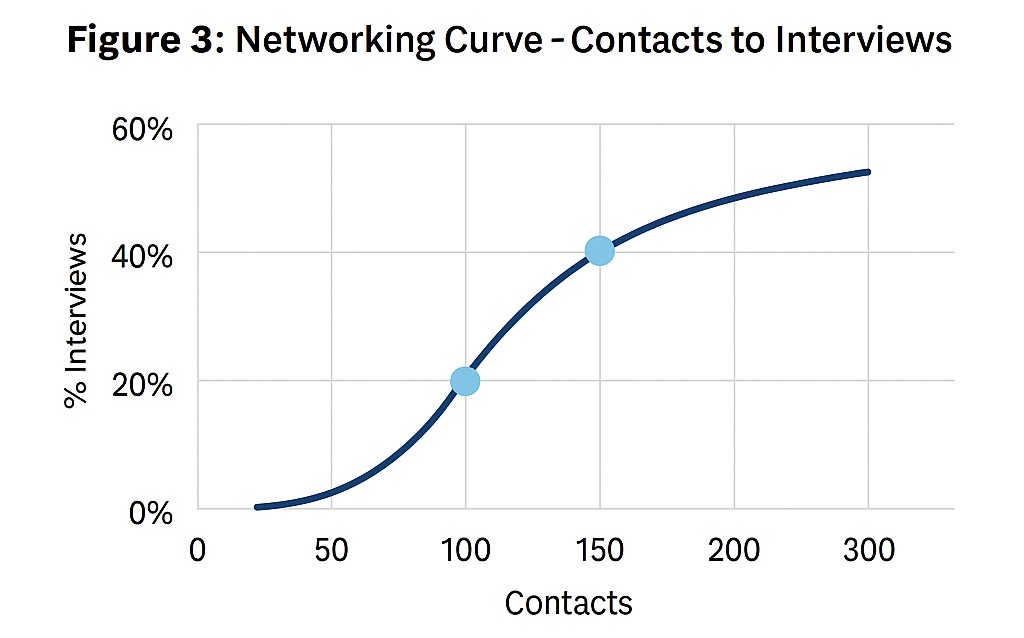
Postings? Surface level. Transcript: "Unsolicited to 500 in your niche—they interview passion." NALP: 70% laterals via networks; 2024 rebound +15%.
Strategies by Stage
- Law Students: OCI + alumni coffees (50 contacts).
- New Attorneys: 150 targeted emails.
- Experienced Attorneys: 300+ pitches: Template – "As [niche] pro with [quants], excited by your [focus]."
Figure 3: Networking Curve – Contacts to Interviews
6. 2025 Hot Practice Areas: Where Focus Pays Off
Thomson Reuters: Litigation 40% hours (+3.3%); transactional +1.6%. Clio: Niches hit 85% realization.
Top picks:
- Employment (steady, discrimination surge).
- Crypto/Tech (innovation boom).
- Crim Defense (volume + stability).
Figure 4: Demand by Area 2025
FAQs: Tackling Common "I Can't Decide" Queries
Q: As a law student, how do I pick without regretting? A: Shadow 3 areas; choose what energizes.
Q: New attorney—too late to switch? A: No—2 years builds cred; tailor apps.
Q: Experienced: Academia to firm viable? A: Yes—frame PhD as edge; neutral resume.
Q: Best resources? A: ABA Career Center; BCG guides.
Final Thoughts: Pivot to Purpose
Depth trumps breadth—commit to one path, watch doors fly open. Like our PhD trailblazer (50 countries, endless curiosity), channel scatter into mastery. It's never too late: Students, niche now; newbies, build deep; pros, reinvent focused. Our video How to Succeed in the Practice of Law explores strategies to maintain focus and achieve lasting success.
If you’re ready to regain control of your trajectory, why BCG’s system gets candidates interviews and hired demonstrates how focused, systematic efforts translate into real job offers.
QUESTIONS ANSWERED IN THIS ARTICLE
1. What is the most effective way for attorneys to stay focused during an attorney job search and avoid common career mistakes?
Answer: The most effective way to stay focused in an attorney job search is to set clear goals and align them with the kind of work you genuinely enjoy. Many lawyers drift because they chase prestige or follow external pressure rather than their own long-term interests. When you commit to a defined direction, you naturally avoid distractions and poor career decisions. If you need help identifying the right path, BCG Attorney Search offers guidance grounded in real market experience.2. How can lawyers identify whether a lateral move will actually support long-term career growth?
Answer: A lateral move should always be evaluated based on training, mentorship, stability, and whether the firm’s culture supports your long-term goals. Lawyers often assume a bigger platform or higher ranking automatically leads to growth, but the real differentiator is whether you can build a sustainable practice. Ask yourself if the new environment strengthens your skills and positions you for future opportunities. Working with a legal recruiter like BCG Attorney Search can help you assess this objectively.3. Why do so many attorneys lose momentum in their legal careers, and how can staying focused improve law firm hiring outcomes?
Answer: Attorneys often lose momentum because they spread themselves too thin, chase “shiny object” opportunities, or fail to specialize in an area where they can excel. Focus creates clarity, and clarity helps firms immediately see where you add value. Law firm hiring decisions favor attorneys who demonstrate commitment, consistency, and a clear professional identity. Developing that focus can dramatically improve the way firms evaluate your candidacy.4. Can working with a legal recruiter help attorneys avoid career drift and make better decisions about law firm transitions?
Answer: Yes. A strong legal recruiter can help you recognize patterns in your career, identify when you’re making emotionally driven decisions, and guide you toward opportunities aligned with your strengths. Recruiters see thousands of career paths, which gives them unique insight into what actually leads to long-term success. BCG Attorney Search provides this kind of perspective to help attorneys stay grounded and intentional.5. Should lawyers in BigLaw or boutique firms adjust their career strategy to maintain focus and achieve long-term advancement?
Answer: Absolutely. BigLaw attorneys often need to focus on specialization, billable consistency, and internal reputation, while boutique lawyers must concentrate on skill depth and client-relationship development. In both environments, clarity of purpose prevents burnout and keeps you aligned with achievable growth opportunities. If you’re unsure how to structure your strategy, exploring resources and openings on BCG Attorney Search can help you chart a more focused path forward.Want to read more law firm news?
For past editions of our weekly law firm news, click here.
Contact Our Recruiters Now!